







How to Elope in Washington Without Ruining the Place You Love (A Leave No Trace Guide)
Washington is one of those places that makes people want to slow down. The kind of place that stops you mid-sentence because the light just shifted or the fog rolled in exactly right. It’s why so many couples choose to elope in Washington in the first place, not just for the views (but duh, they’re incredible), but for the feeling.
Here’s the part not enough people talk about: how you elope here matters just as much as where you go. Choosing to elope here isn’t just about picking a beautiful location. It’s about showing up with care, for each other, yes, but also for the land that’s holding your day. A Leave No Trace elopement isn’t about following a bunch of strict rules or watering down your vision. It’s about making sure the place you love still exists in the same way for the next couple standing exactly where you are!
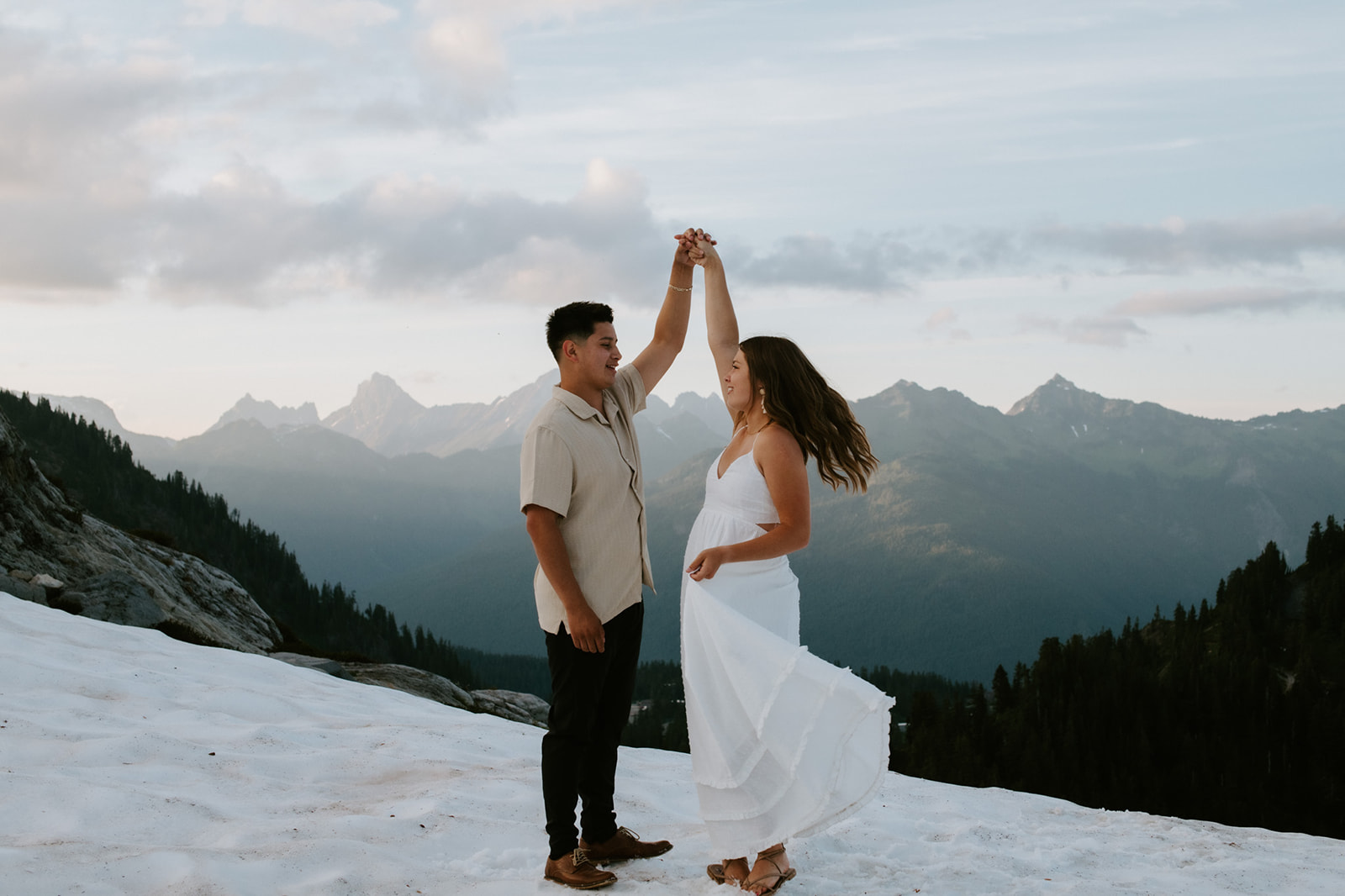
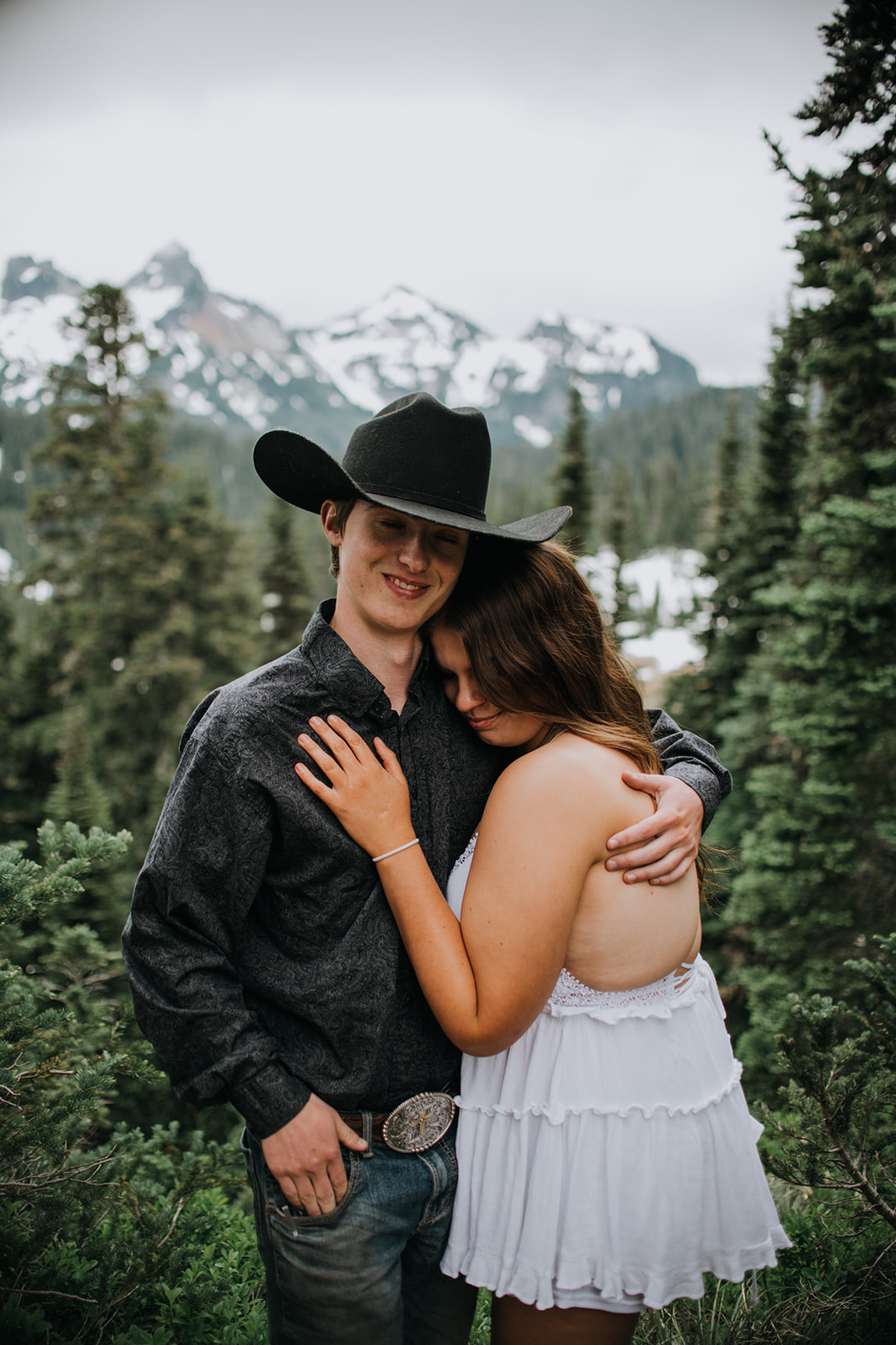

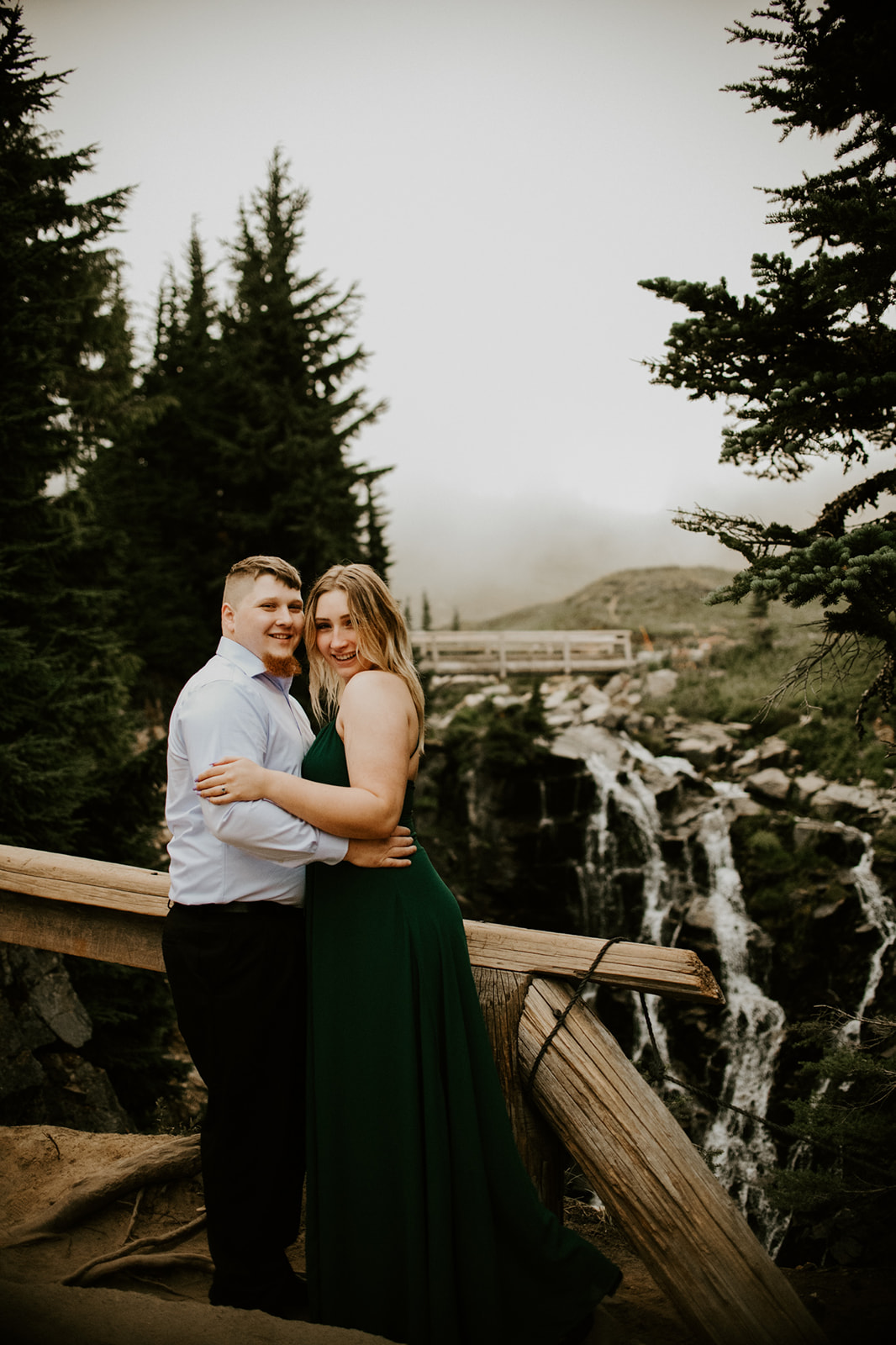
As a Washington elopement photographer, I’ve seen firsthand how planning can protect these places and make your day feel even more grounded, meaningful, and stress-free. This guide is for couples who want their elopement to feel adventurous and responsible. For the ones who want epic views without trampling what makes them special. For the ones who believe you can have a wildly beautiful day and leave it exactly as you found it.
Let’s talk about how to elope in Washington without ruining the place you came to celebrate!
What Leave No Trace Actually Means When You Elope in Washington
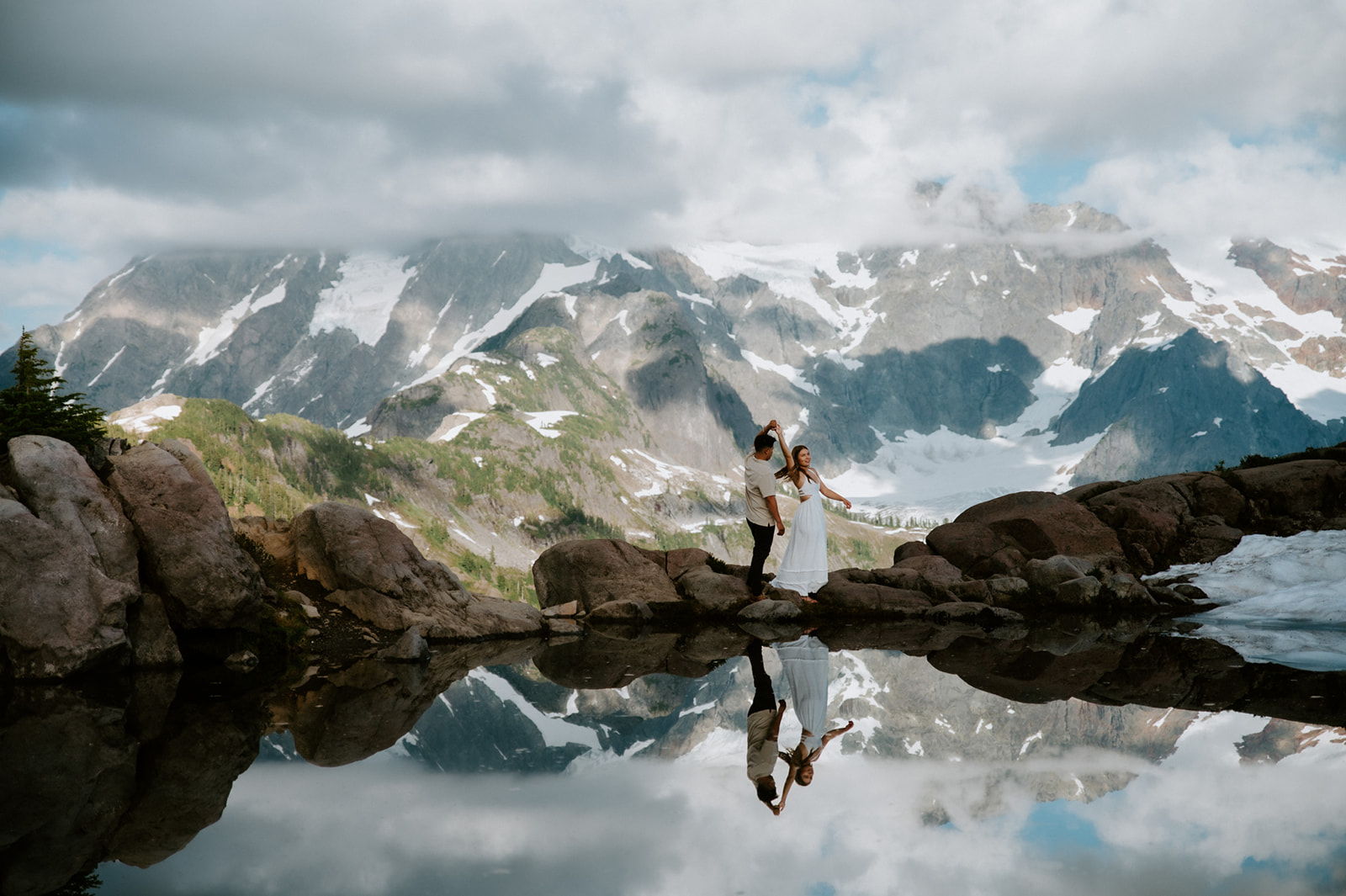
Leave No Trace gets talked about a lot in outdoor spaces, but when it comes to elopements, it’s often misunderstood. Here’s the thing: it can sound way more intimidating than it actually is! Enter your go-to Washington elopement photographer, and I’ve got all the tips!
At its core, Leave No Trace is simple. It means experiencing a place without changing it. No damage or disruption. No evidence you were ever there, except for the photos you’ll frame and the memories you’ll carry home with you. And when you elope in Washington, this matters more than most people realize.
Elopements might be smaller than traditional weddings, but they can still have a real impact, especially in places like peaceful meadows, coastal cliffs, and forested areas that take years (sometimes decades) to recover. A few extra people stepping off trail, setting things down “just for a minute,” or wandering for photos can add up faster than you’d expect.
Here’s the good news: this isn’t about doing things perfectly.
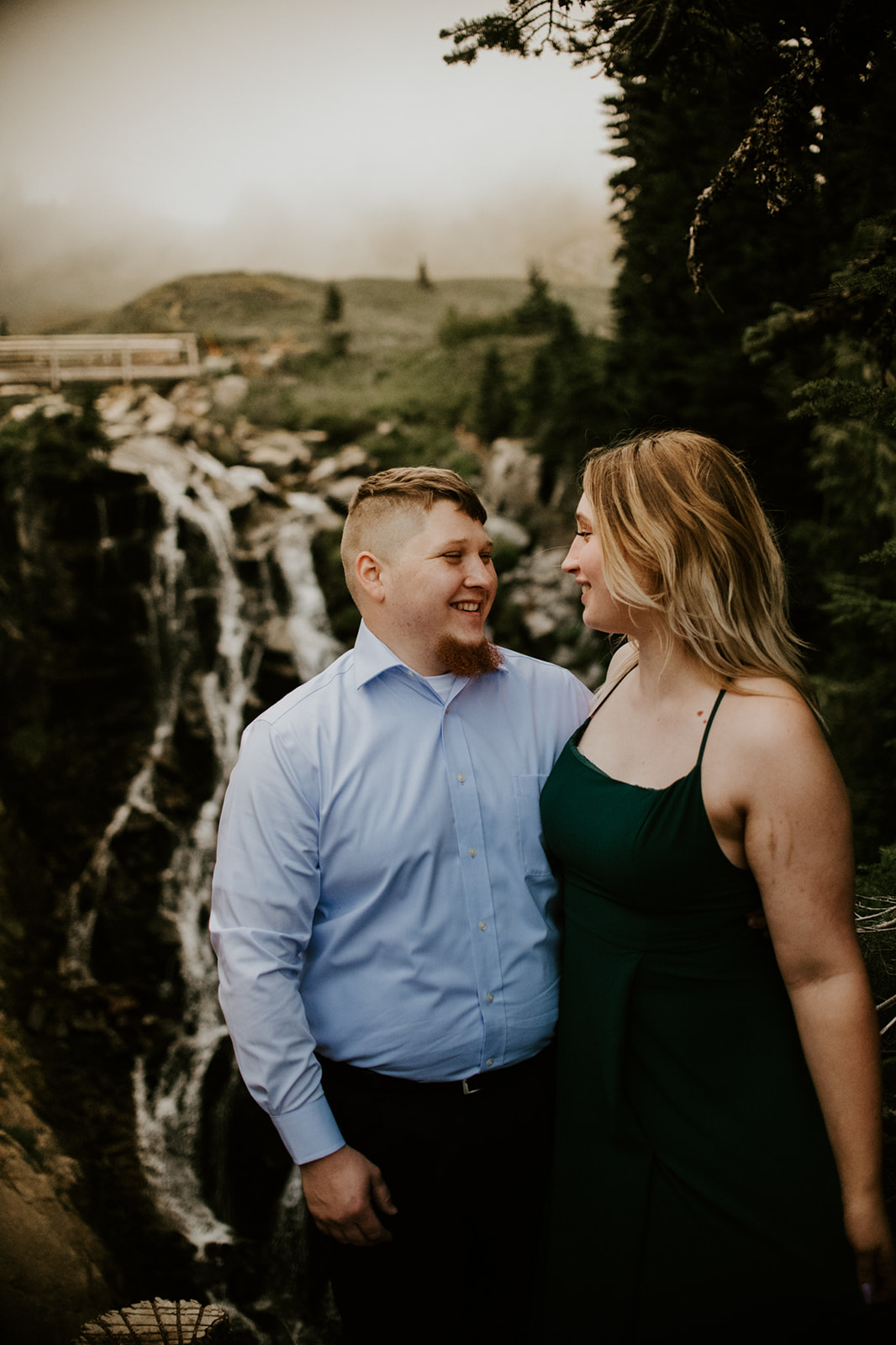
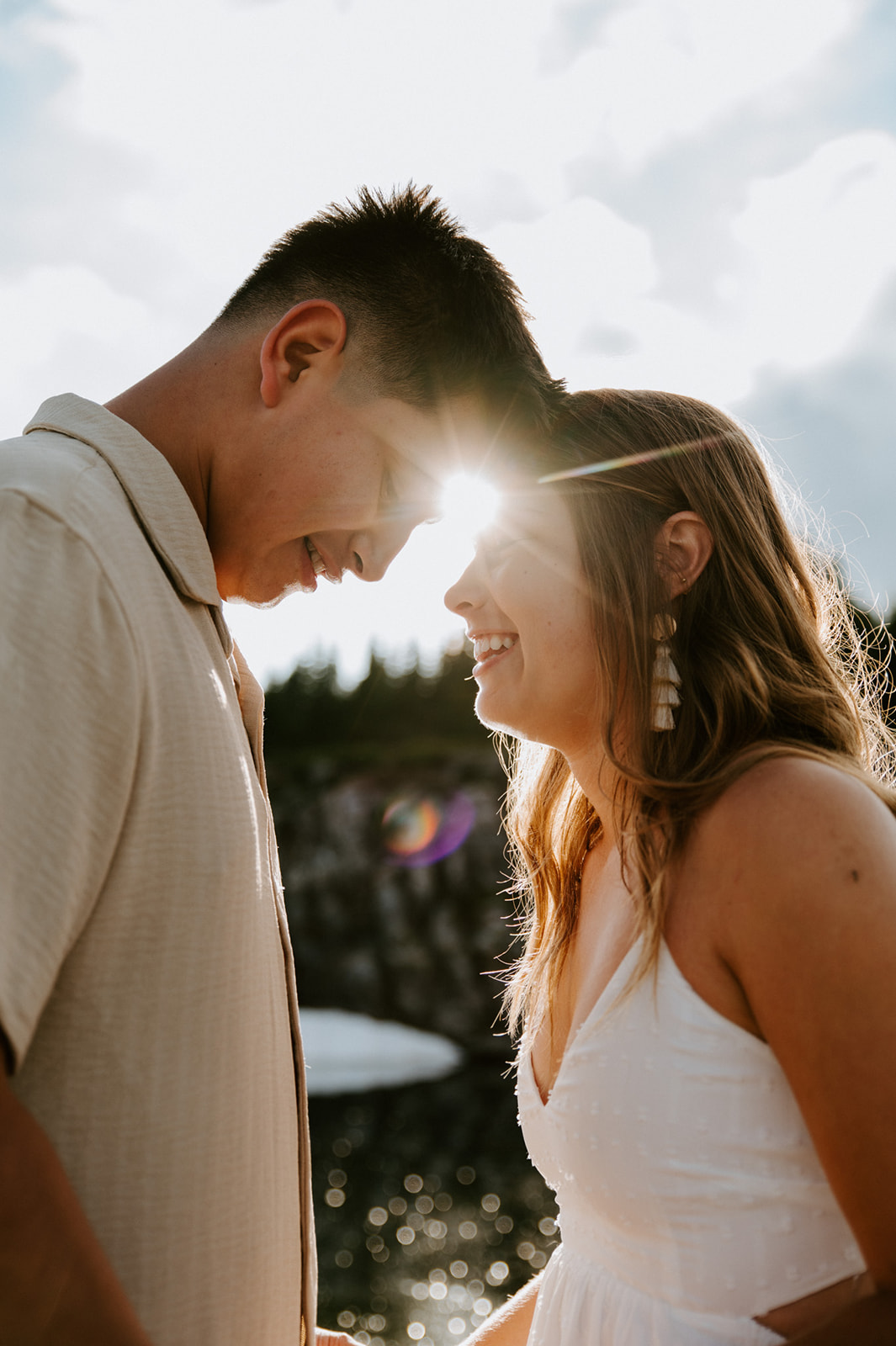
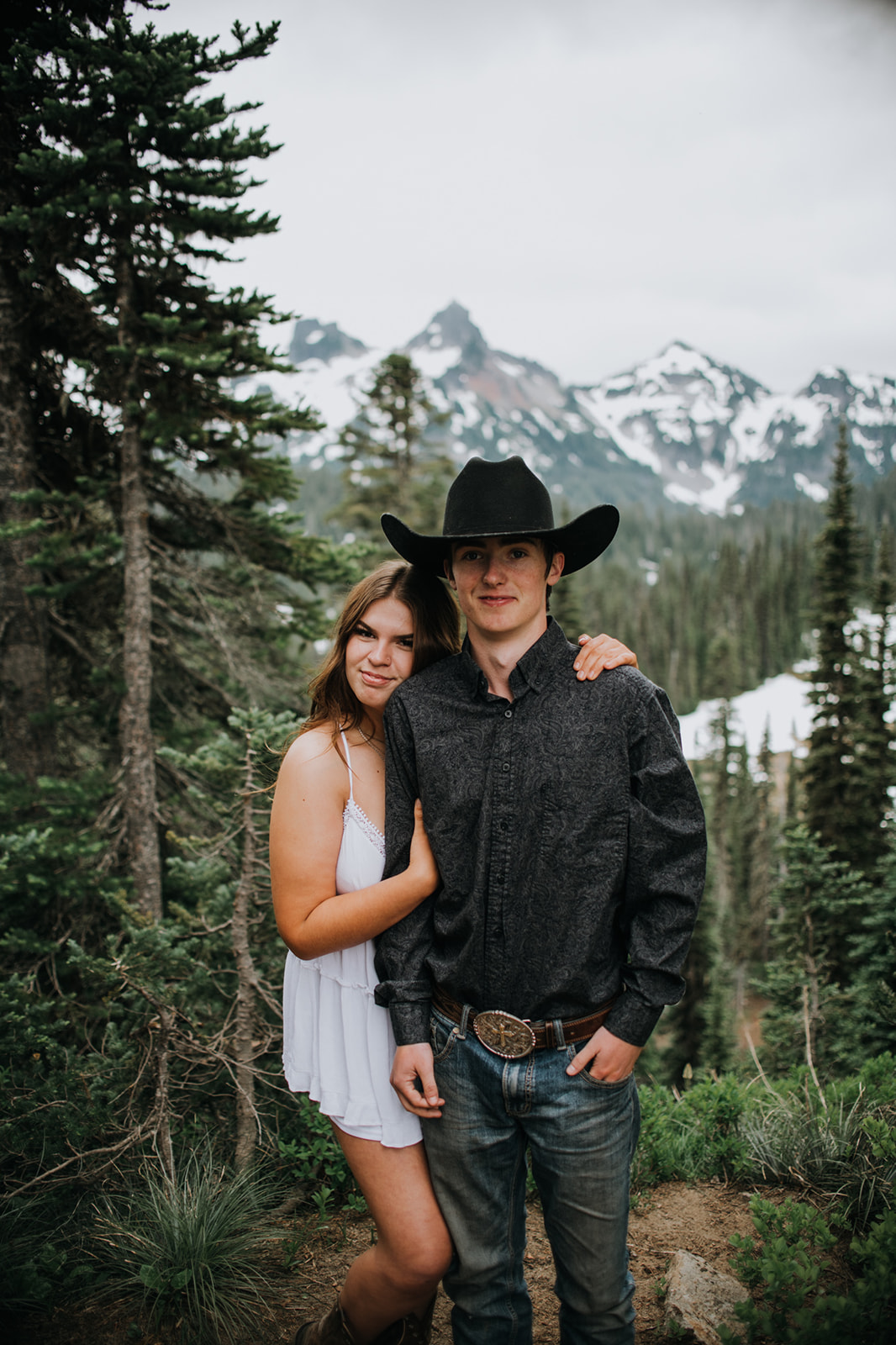
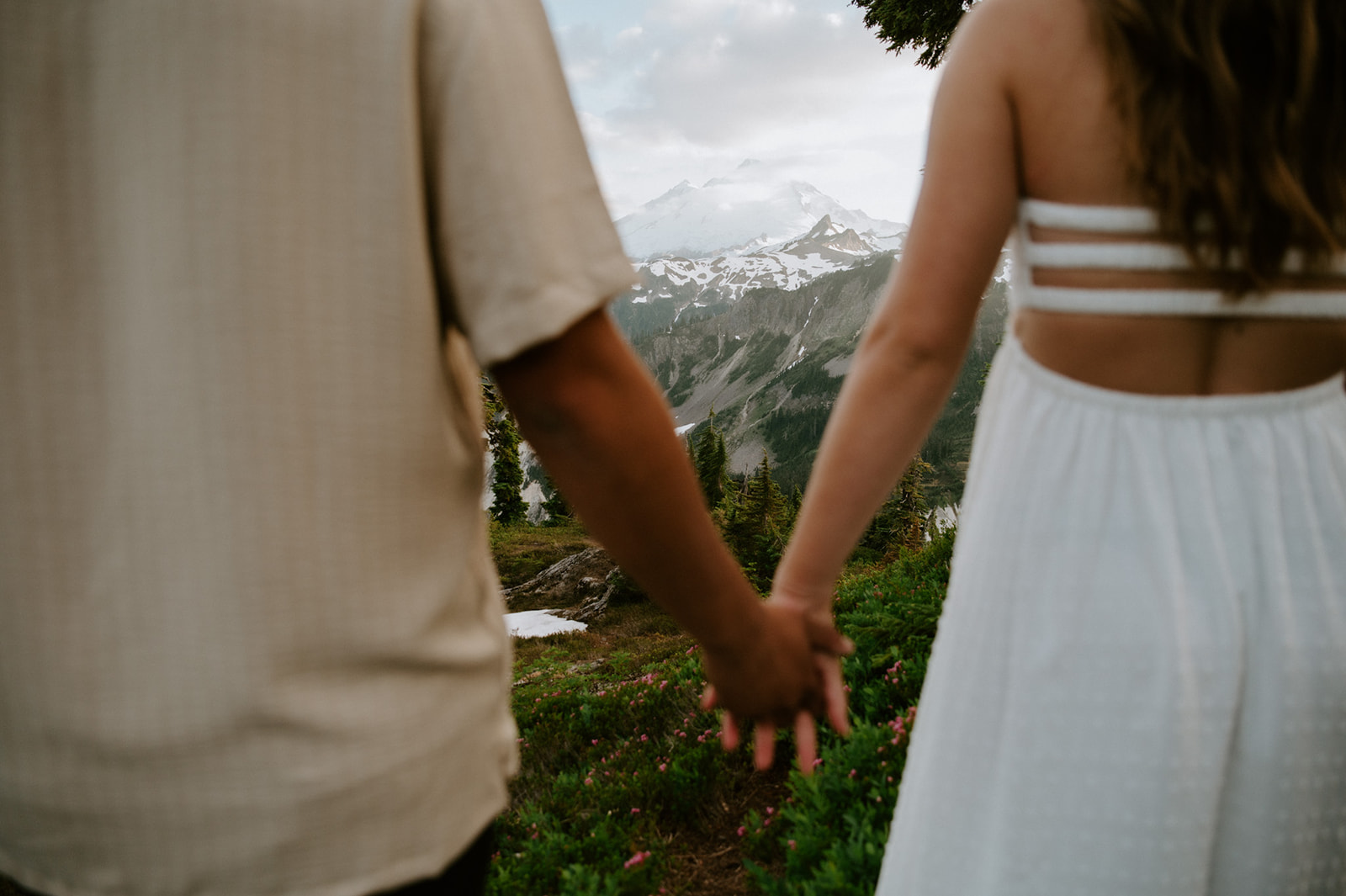
It’s about intention.
A Leave No Trace elopement is really about making thoughtful choices, like:
- Picking locations that can actually handle foot traffic
- Respecting posted rules and seasonal closures (even when no one’s around)
- Being mindful of where you walk, stand, and celebrate
- Planning your day with the environment in mind, not as an afterthought
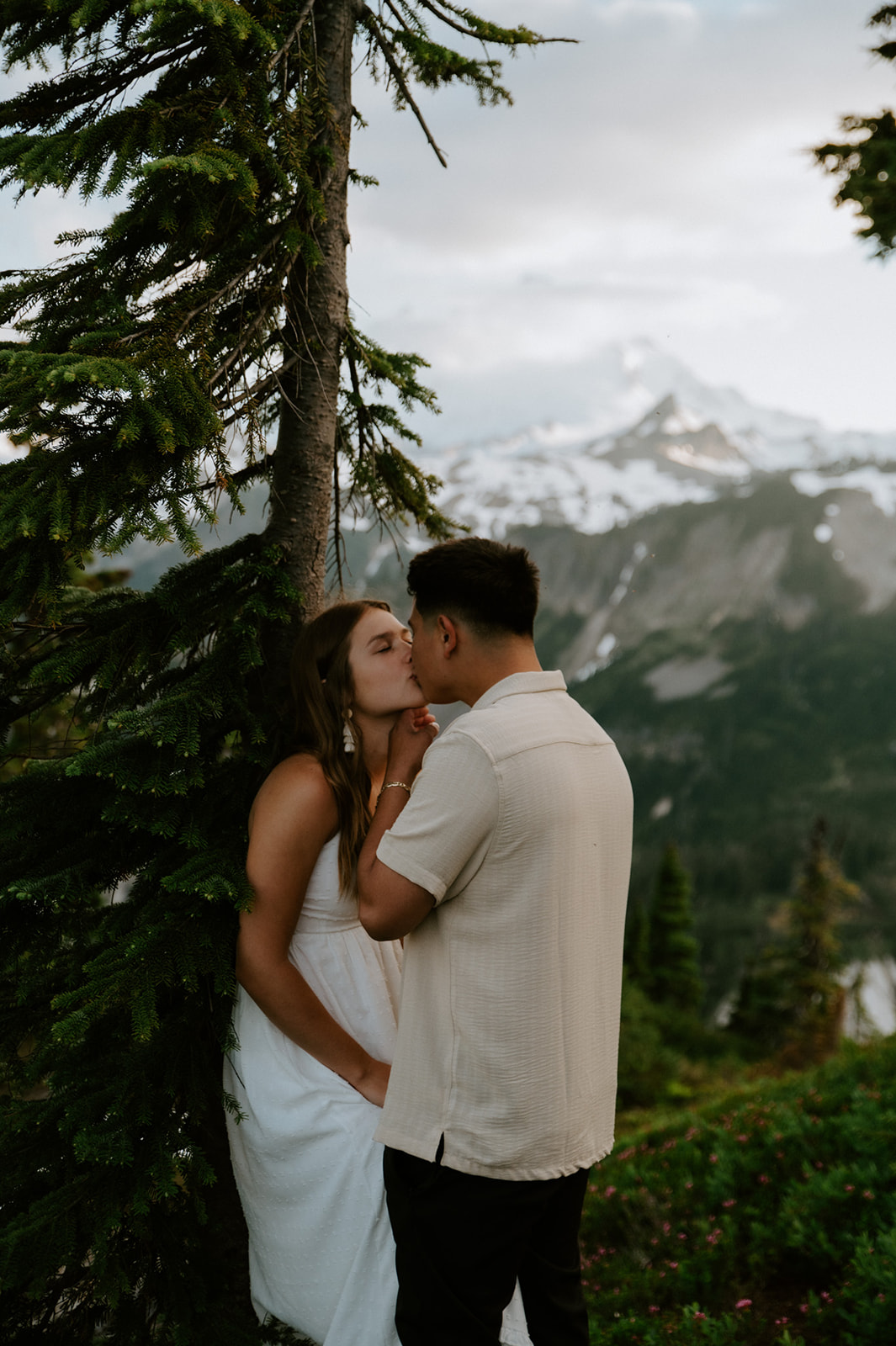
This isn’t about limiting your experience or sucking the fun out of your day. It’s about protecting the very place that made you want to elope in Washington in the first place, so it still feels just as wild, quiet, and meaningful when you’re standing there saying your vows.
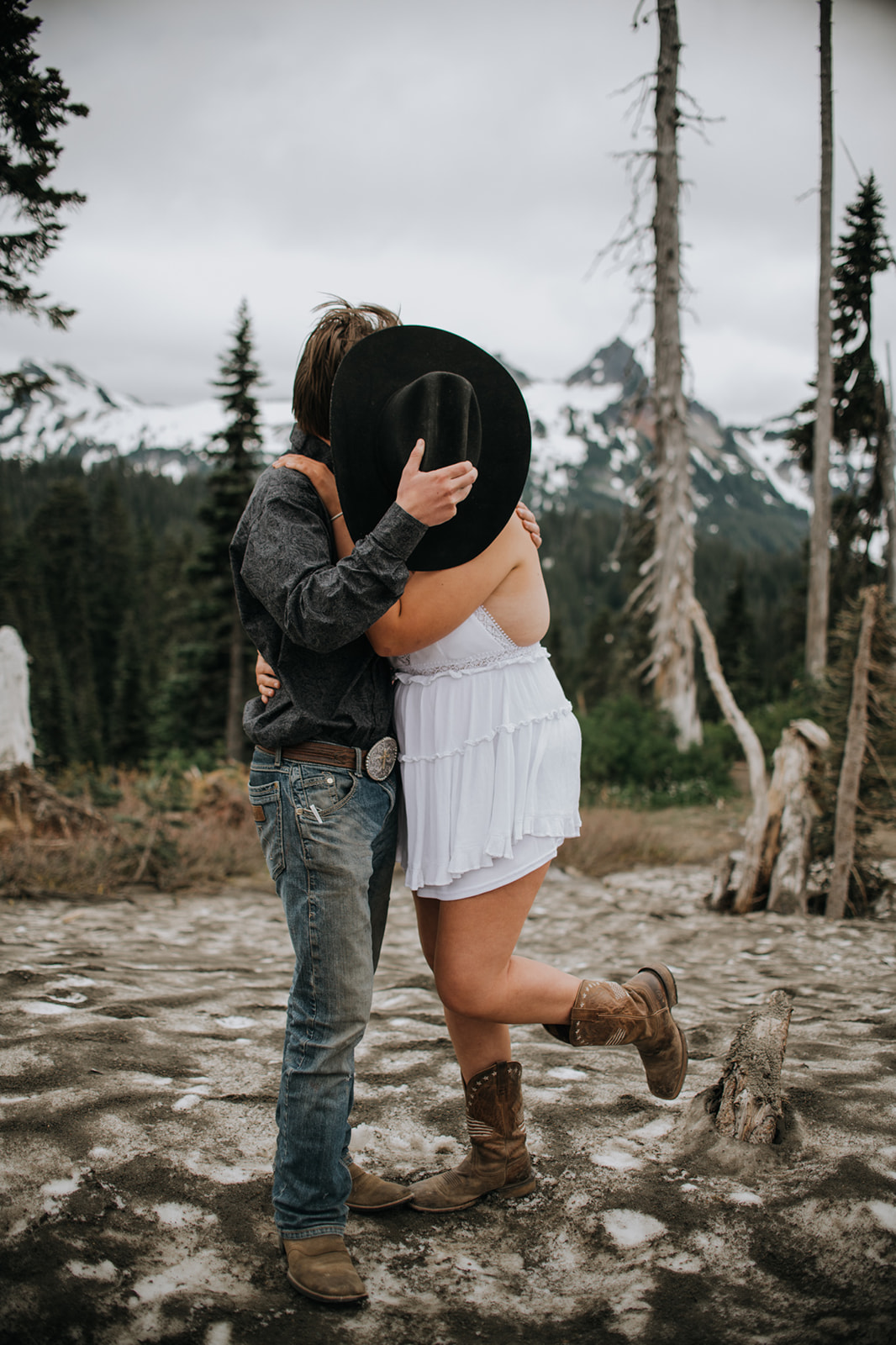
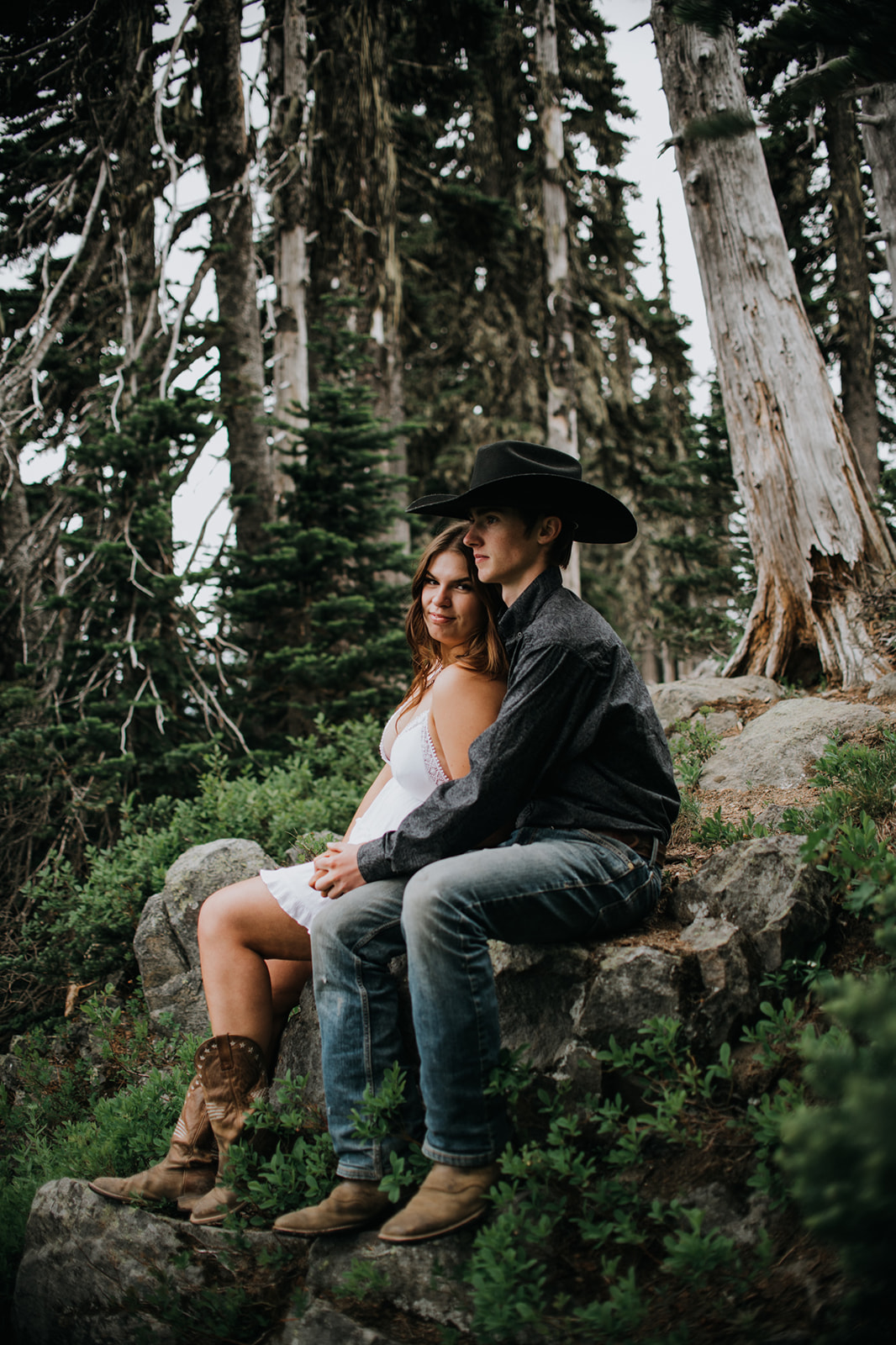
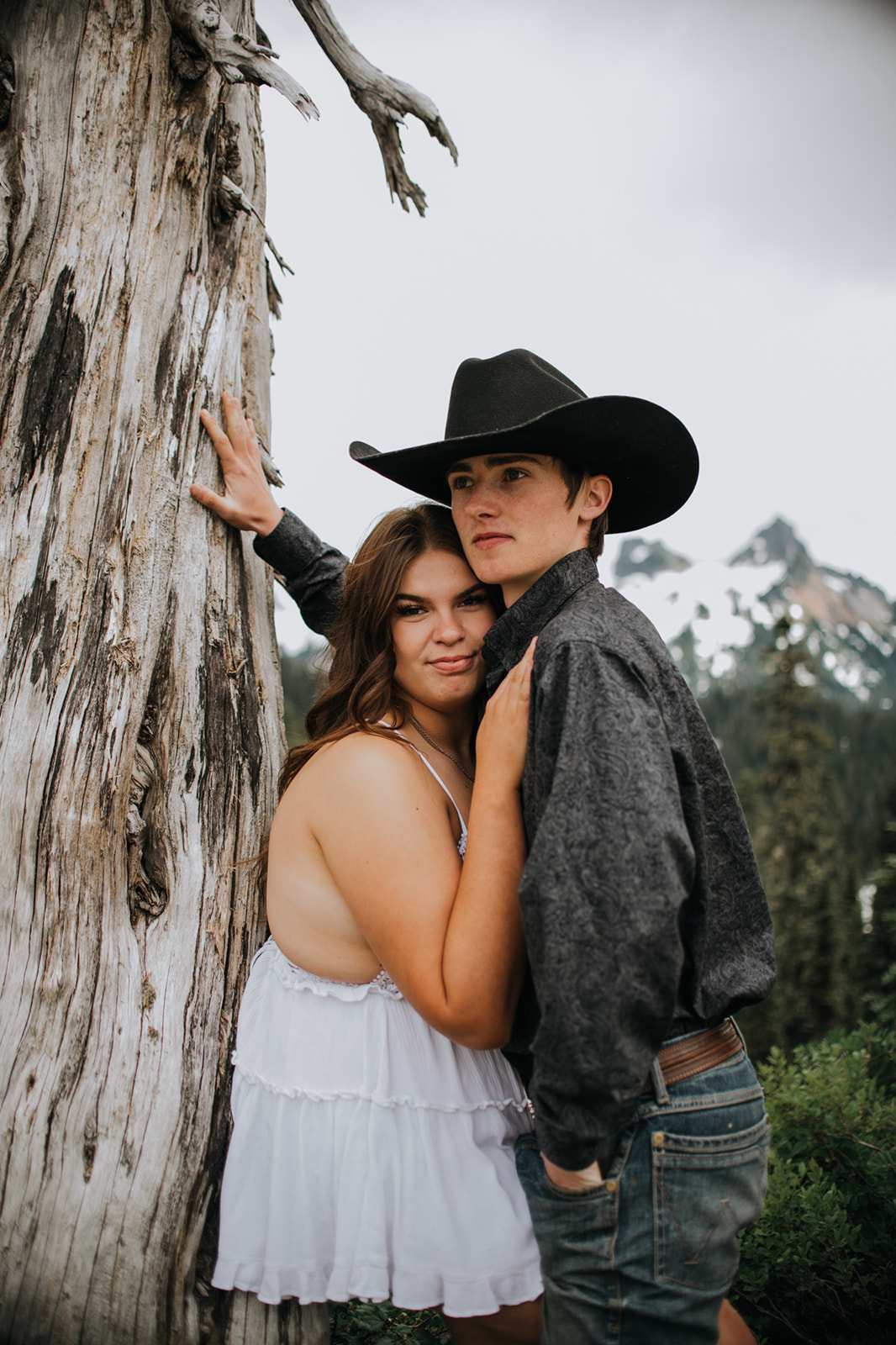
And trust me: when you plan your elopement this way, everything feels calmer and more present. Less rushed. You’re not worrying about whether you’re doing something “wrong”, you’re just fully there, soaking it all in.
Permits Matter When You Elope in Washington (And Why That’s a Good Thing)
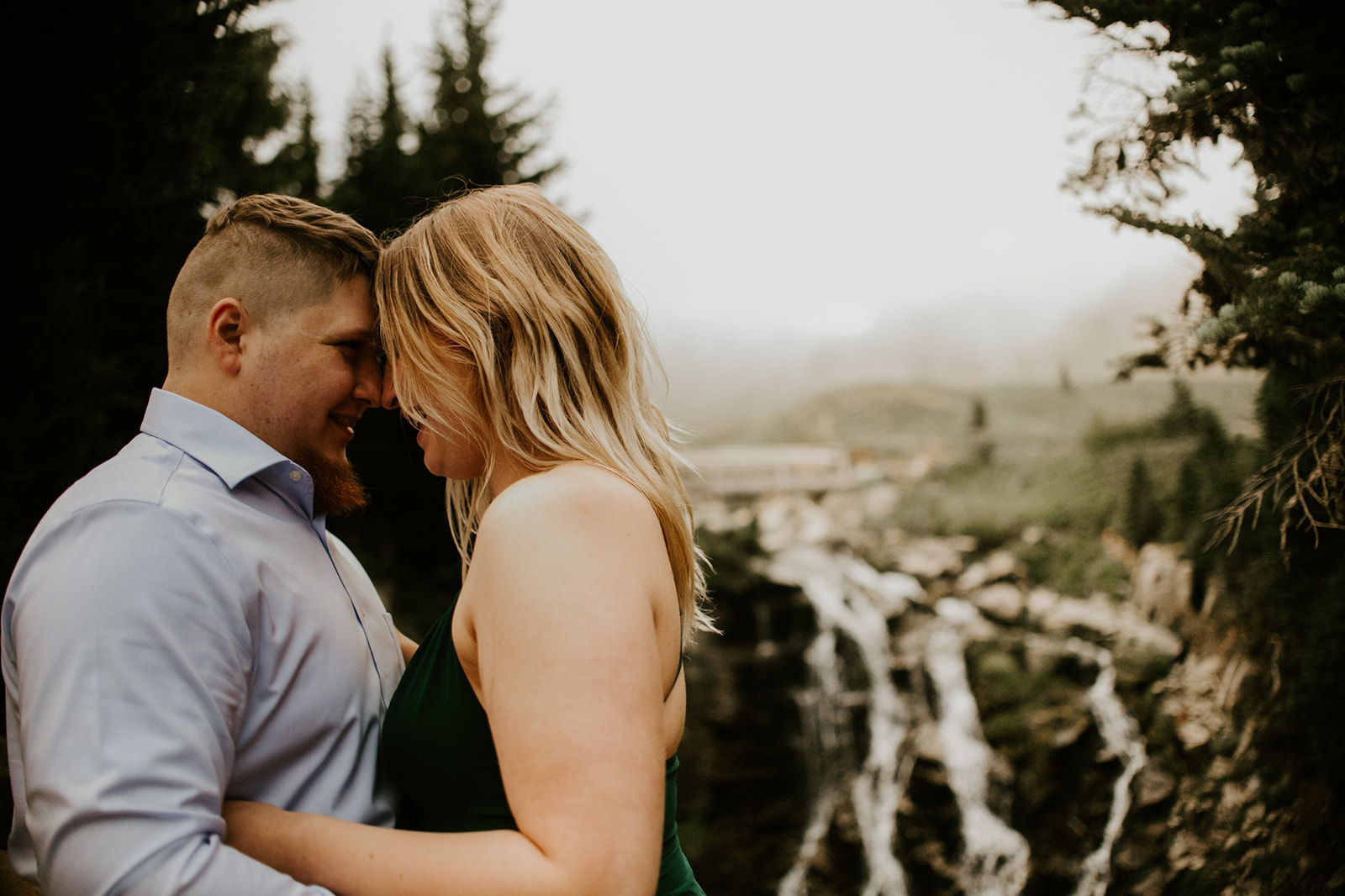
If permits feel like the least romantic part of planning to elope in Washington, you’re not alone. They’re rarely the thing couples get excited about, but they are one of the most important pieces of the puzzle. The part people don’t always realize is that permits exist to protect your experience just as much as they protect the land.
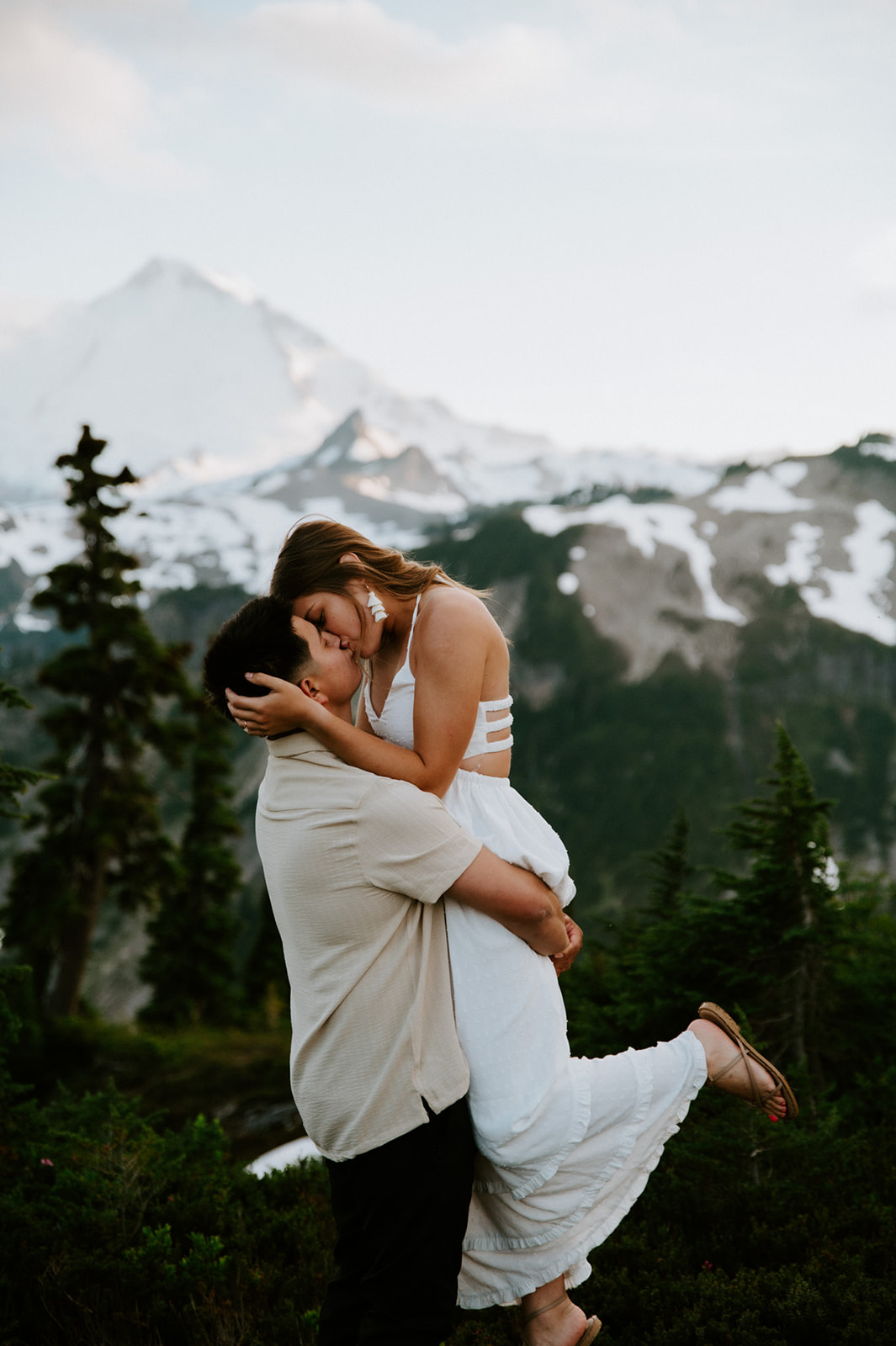
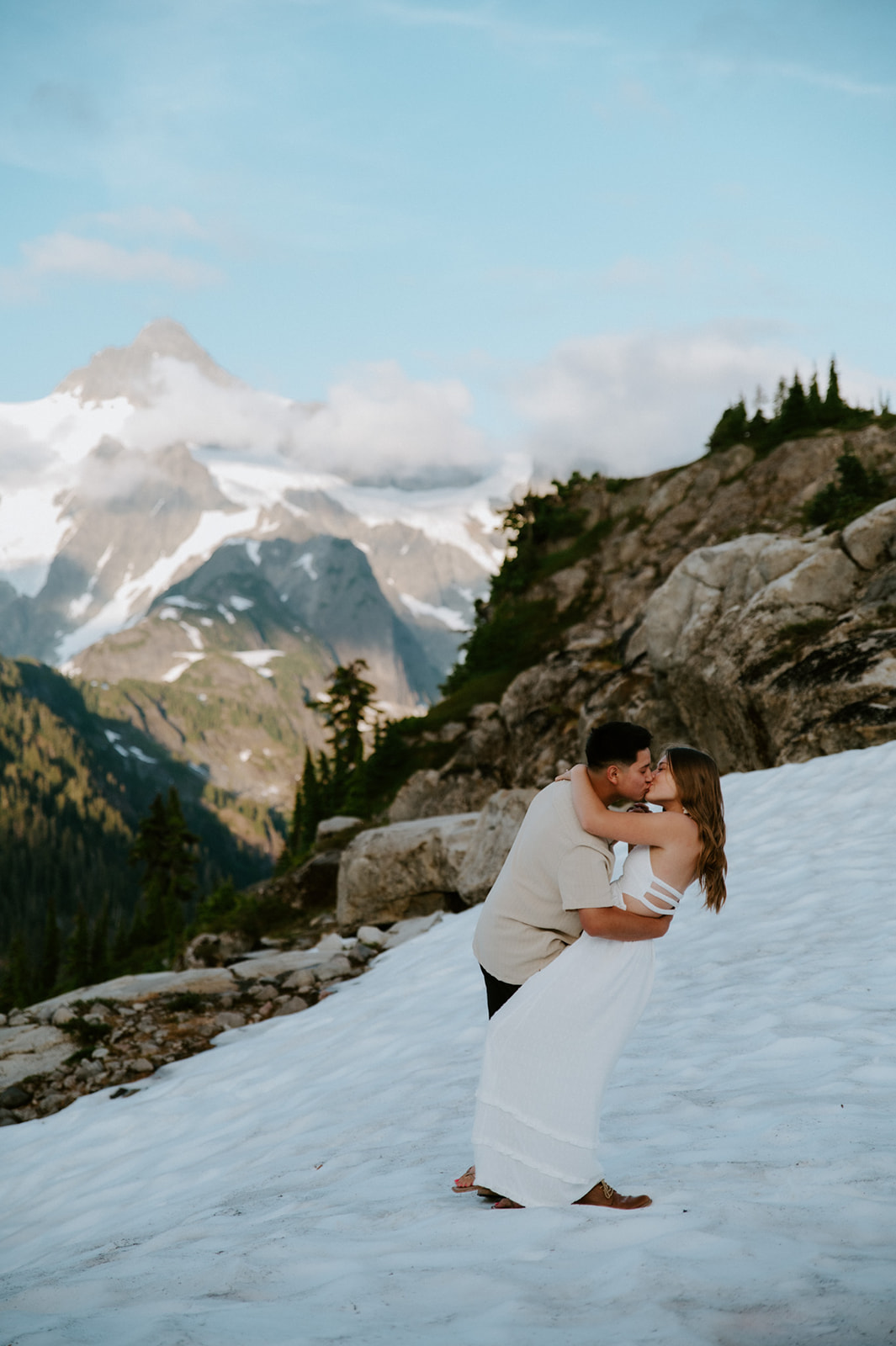
When you elope in Washington, you’re often celebrating in places that see a lot of love: national parks, state parks, alpine areas, coastal viewpoints. Permits help manage how many people are there at one time, where ceremonies can happen, and how those spaces recover after busy seasons. Without them, things can get chaotic quickly, overcrowded trails, unexpected restrictions, or, in the worst cases, ceremonies being interrupted or shut down.
That’s not the vibe anyone wants on their elopement day.
Permits also give you clarity. They tell you exactly where you’re allowed to be, what your group size can look like, and what’s expected of you while you’re there. Instead of guessing or hoping for the best, you get to show up confident that your plans are solid. Different locations in Washington handle permits differently. National Parks often require special-use permits and have stricter guidelines for ceremony locations and guest counts. State Parks and Forest Service land may have their own rules depending on the area, season, and impact level. This is where having someone on your team who’s navigated this before, like an experienced Washington elopement photographer (hi, it’s me!), can make planning feel way less overwhelming.
What I’ve seen again and again is that couples who take the time to secure the right permits end up with smoother, calmer days. There’s no second-guessing, no worrying about getting asked to move, and no lingering stress in the background. Just the freedom to be present, knowing you planned your elopement with care.
Permits aren’t about limiting what you can do. They’re about protecting the places you love, and making sure your day unfolds exactly how you envisioned it.
How to Get a Permit When You Elope in Washington
If permits are making you go “wait… what?” here’s the no-overthinking version.
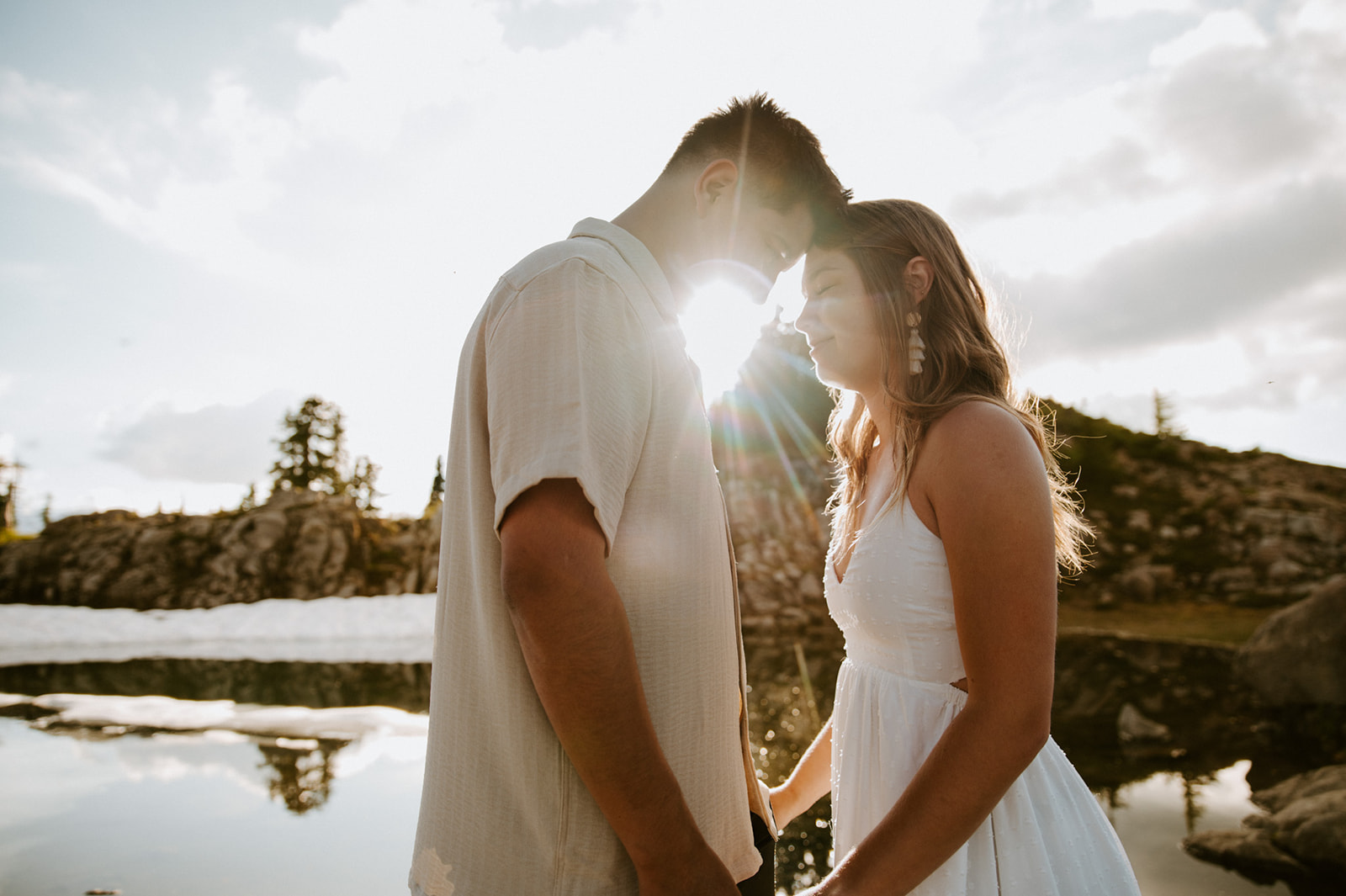
- Pick your place first: National park, state park, forest land, coastline. The location always comes first because every spot plays by slightly different rules, and once you know where, everything else gets so much easier.
- Check that location’s permit page: Most places clearly list “special use permits” or “wedding/elopement permits” right on their website. And if you’re stuck or second-guessing it, this is one of those moments where having a Washington elopement photographer who’s done this before is incredibly helpful.
- Apply earlier than you think: Some permits come back quickly, some take a hot minute. Giving yourself extra time means you’re not refreshing your email at midnight, wondering if your permit is approved or if you need to switch up plans.
- Keep the details short and sweet: Guests, timing, location, and whether you’re doing anything extra (chairs, arches, etc.). The simpler your elopement, the smoother the approval process usually is.
- Follow the rules: Staying on trail, respecting group size limits, and honoring boundaries isn’t about killing the vibe; it’s what keeps the day calm, intentional, and interruption-free.
- Bring a copy of your permit with you on the day: Screenshot it. Save it offline. Throw it in your bag. You probably won’t need it, but knowing you have it is a weirdly great feeling!
Once this piece is handled, you can stop planning and start dreaming about your vows, the view, and how good it will feel to be fully present out there.
Why Staying on Trail Makes It Easier (and Better) When You Elope to Washington
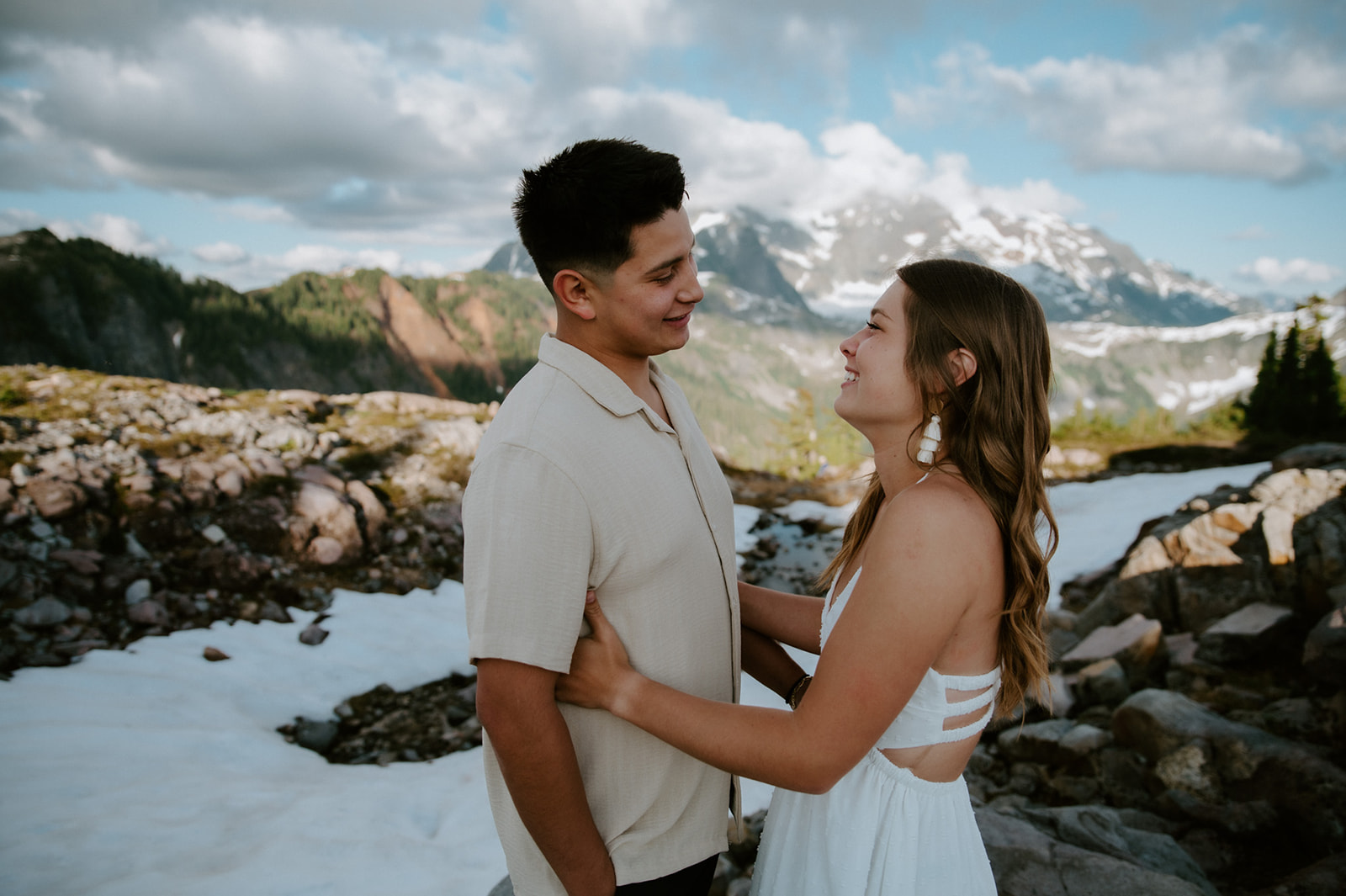
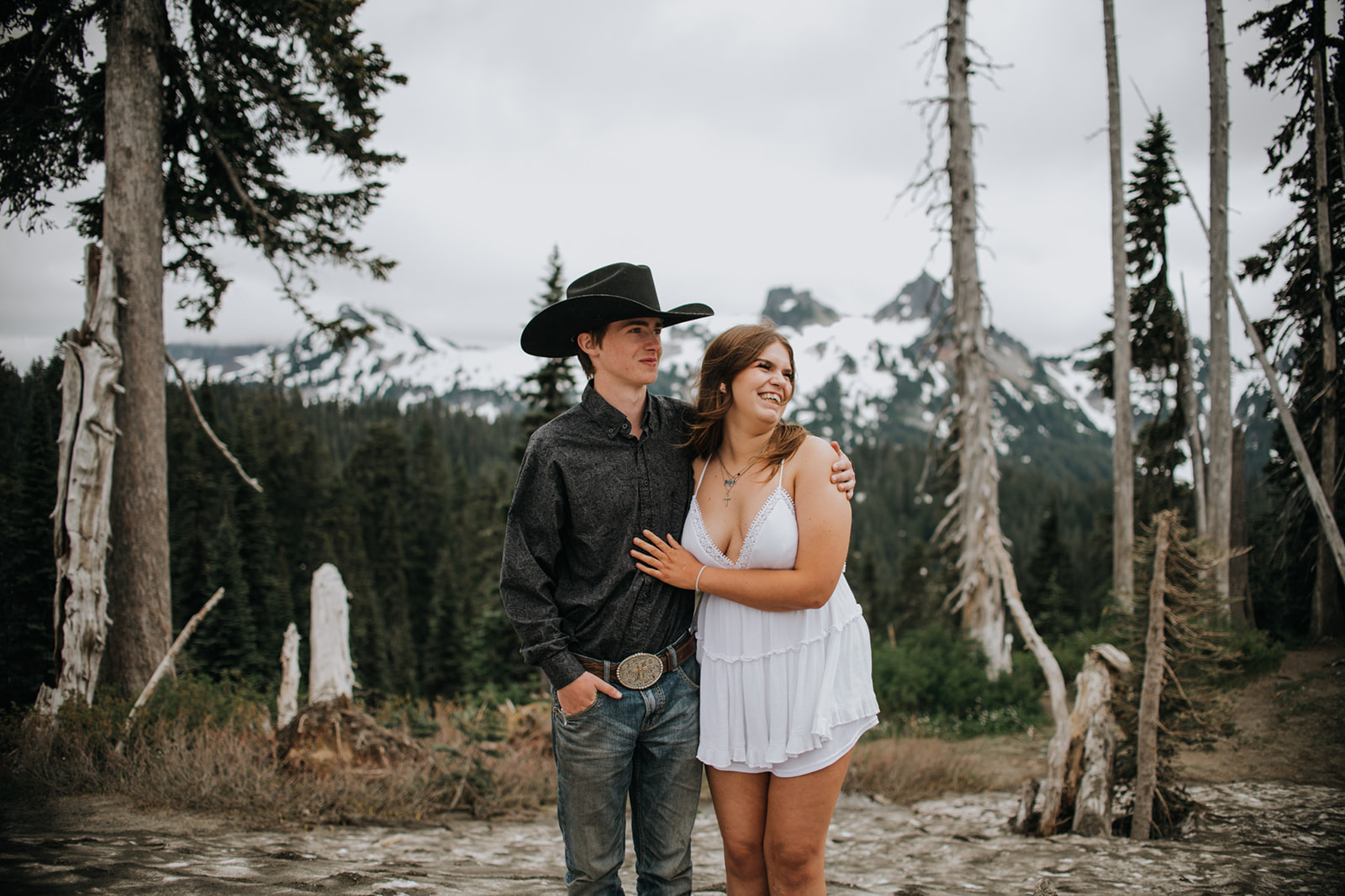
I get why this part may be boring, but hear me out! Staying on the trails can sound like it means fewer options, less freedom, or missing out on the good stuff. Like, “Wait… are we about to be stuck in one spot?” Totally fair thought. But when you elope in Washington, staying on the trail usually does the opposite. It actually gives you more room to relax, look around, and enjoy where you’re at!
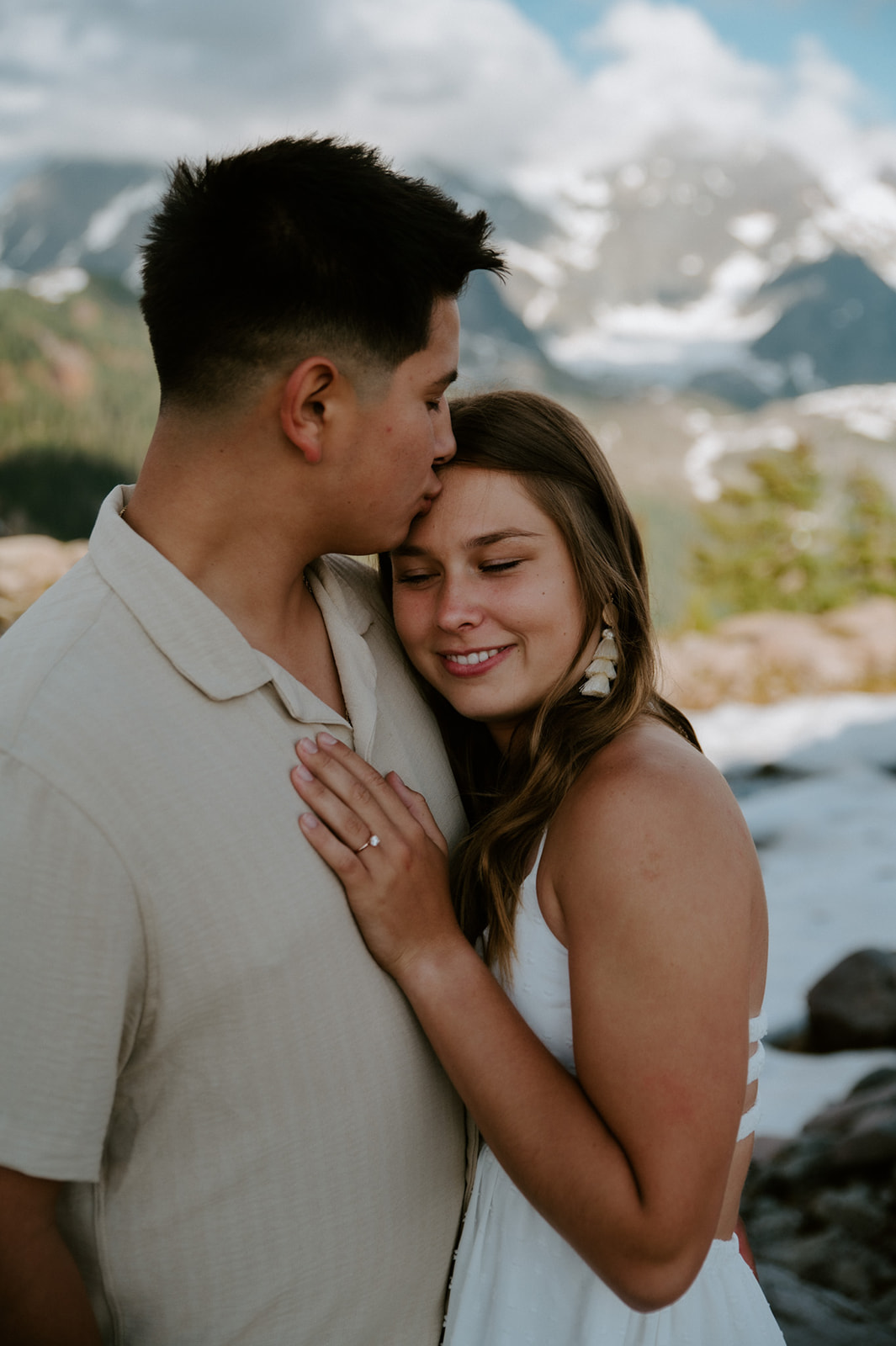
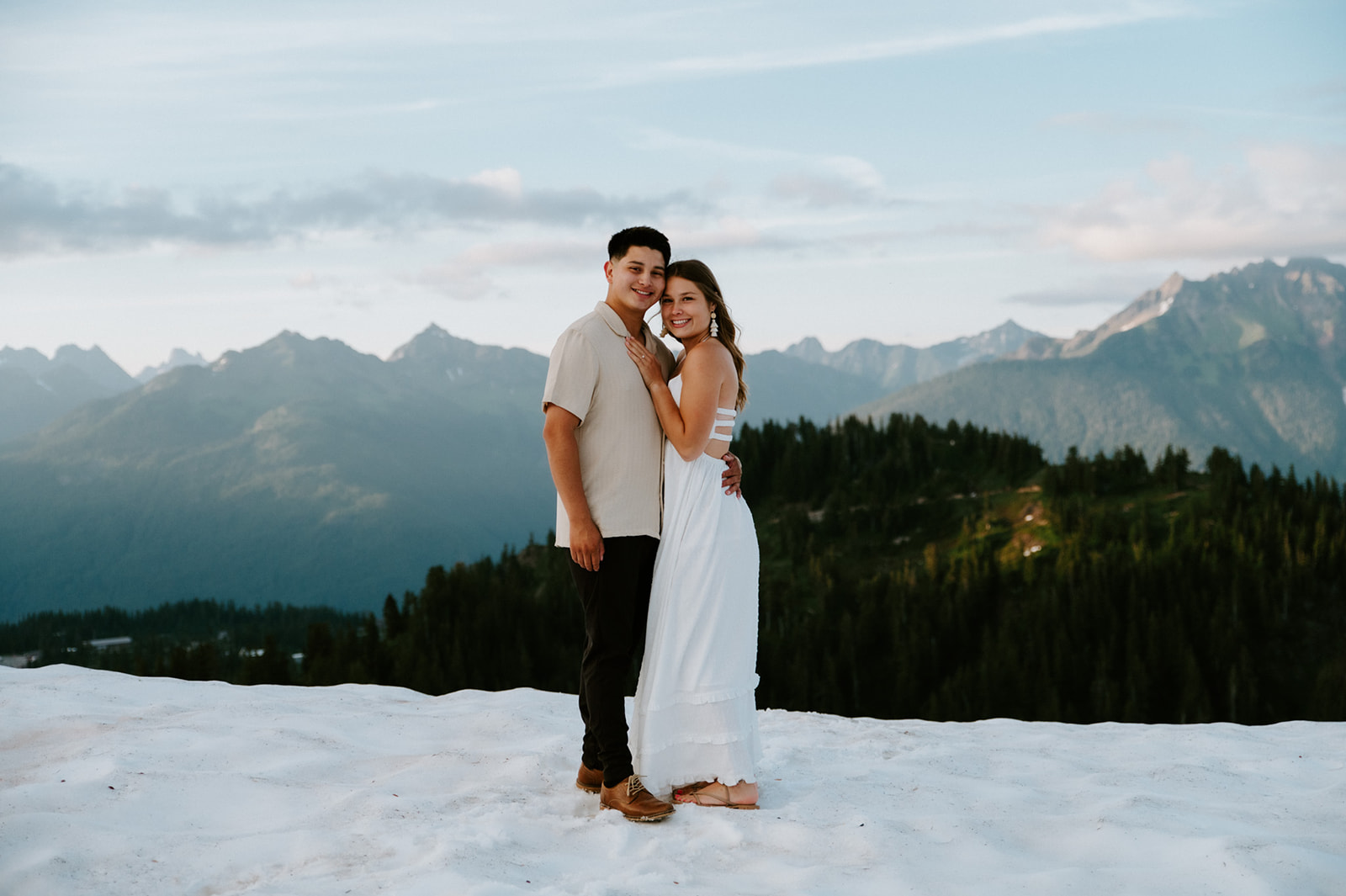
Trails exist because they already lead you through the best parts. The views and light. The spots that can handle people being there without getting wrecked. As a Washington elopement photographer, I’ve seen some of the most emotional, jaw-dropping moments happen literally right along the trail, no bushwhacking, no climbing over fragile areas, no stress about whether you’re somewhere you shouldn’t be.
Staying on trail takes a ton of pressure off. You’re not hyper-focused on not falling or silently panicking about where you’re allowed to stand. You can walk, flirt, whisper inside jokes, laugh at absolutely nothing, and stop whenever something feels right. That ease is kind of the whole point when you elope in Washington.
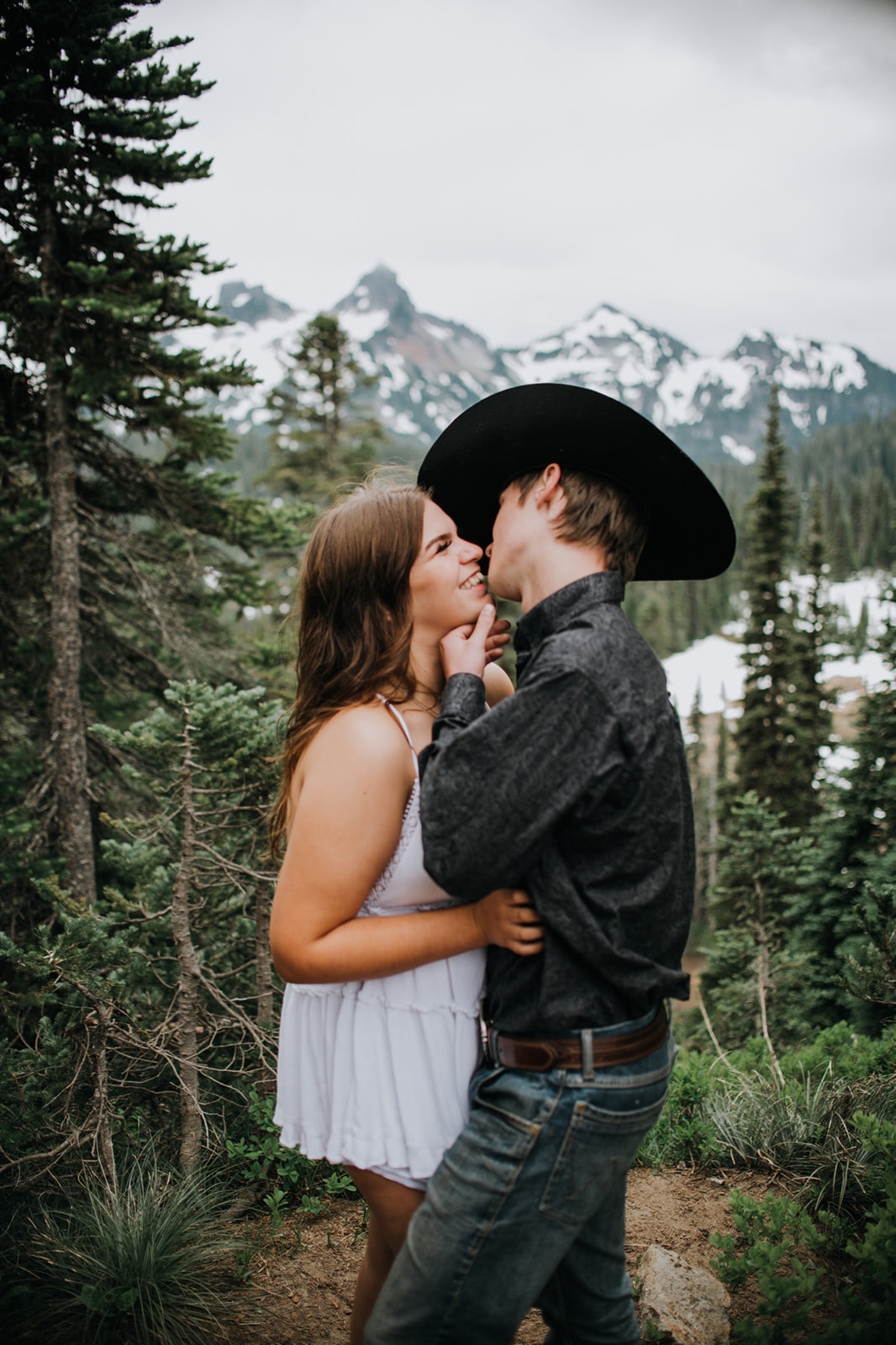
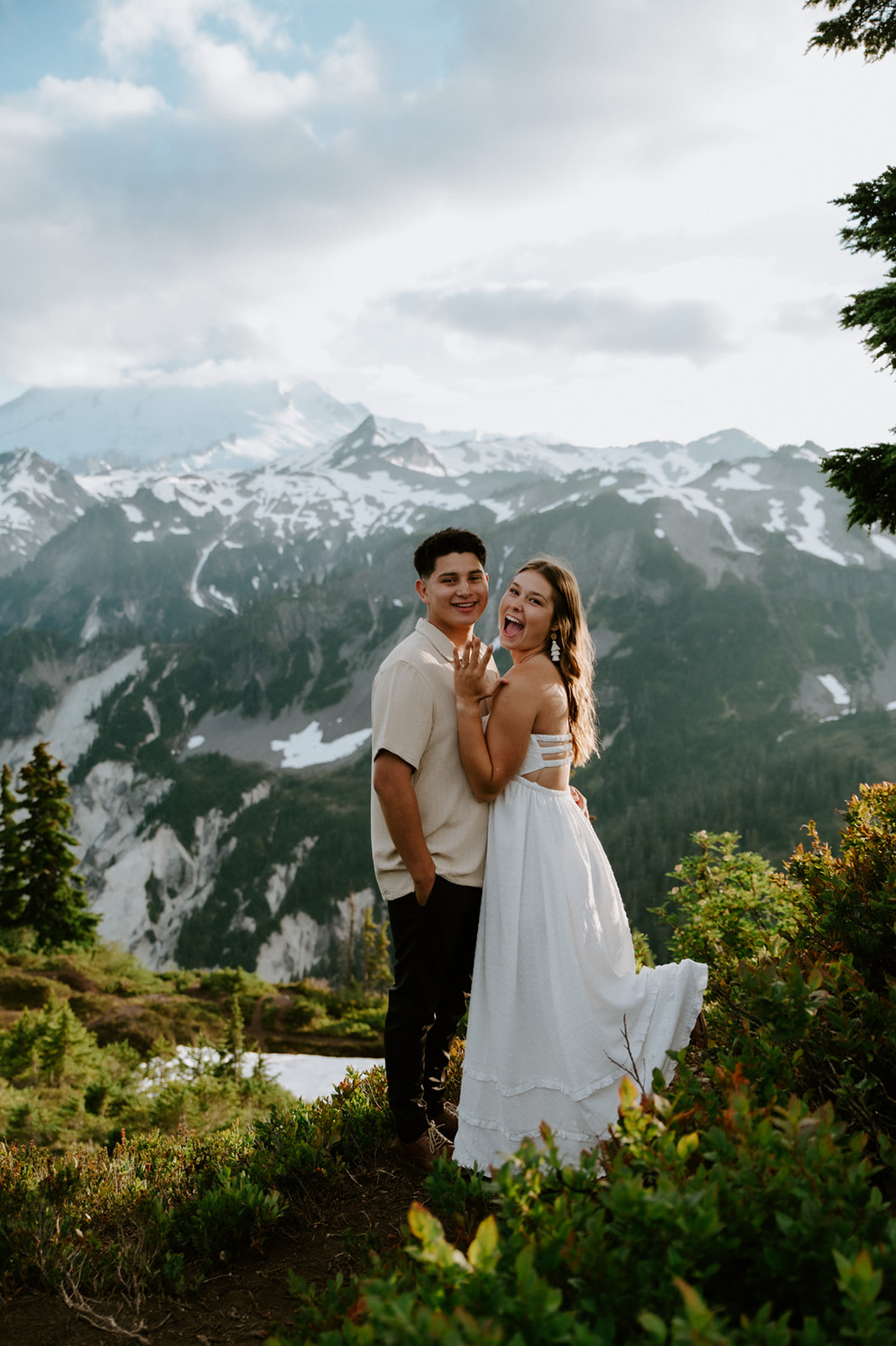
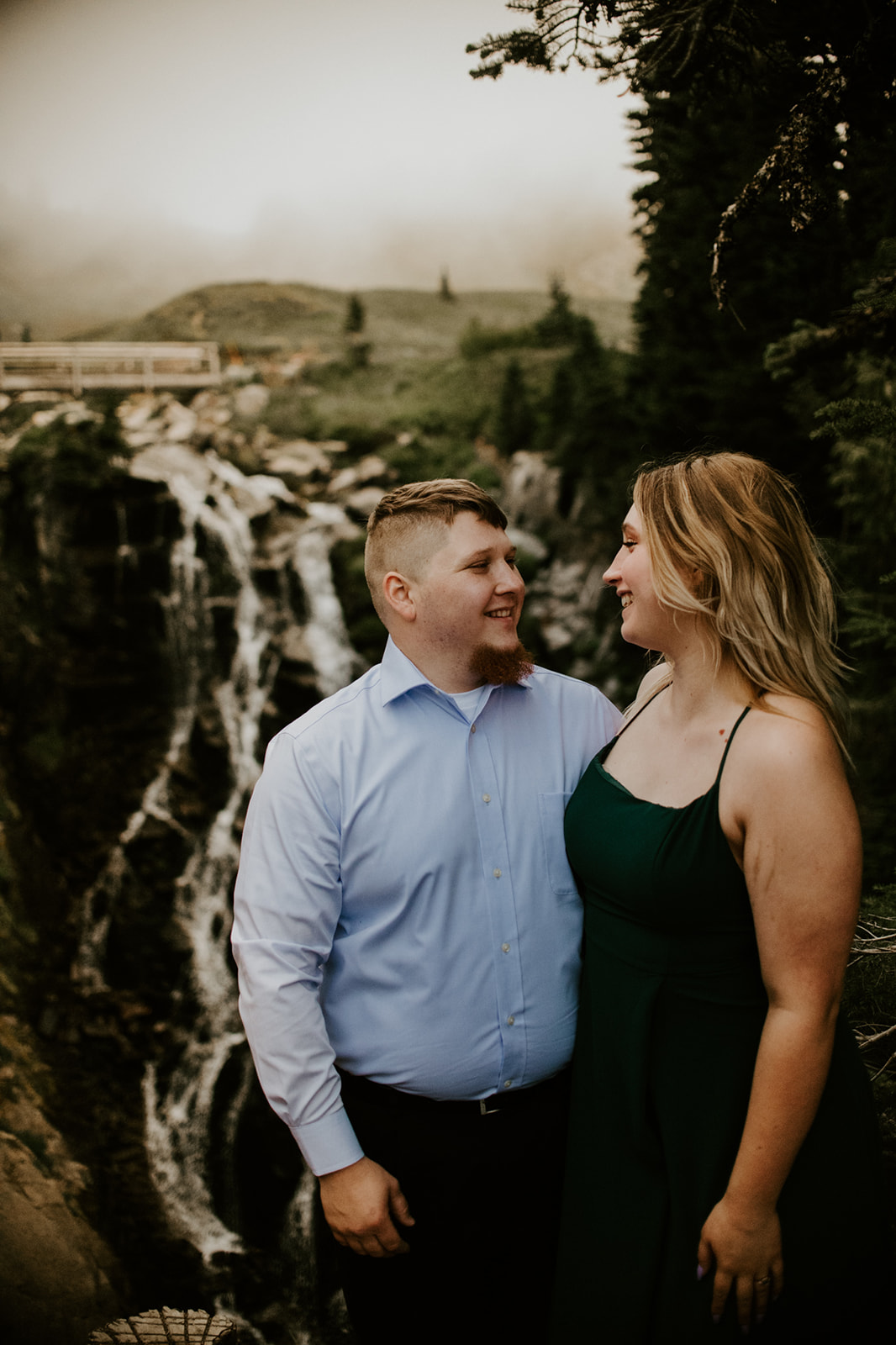
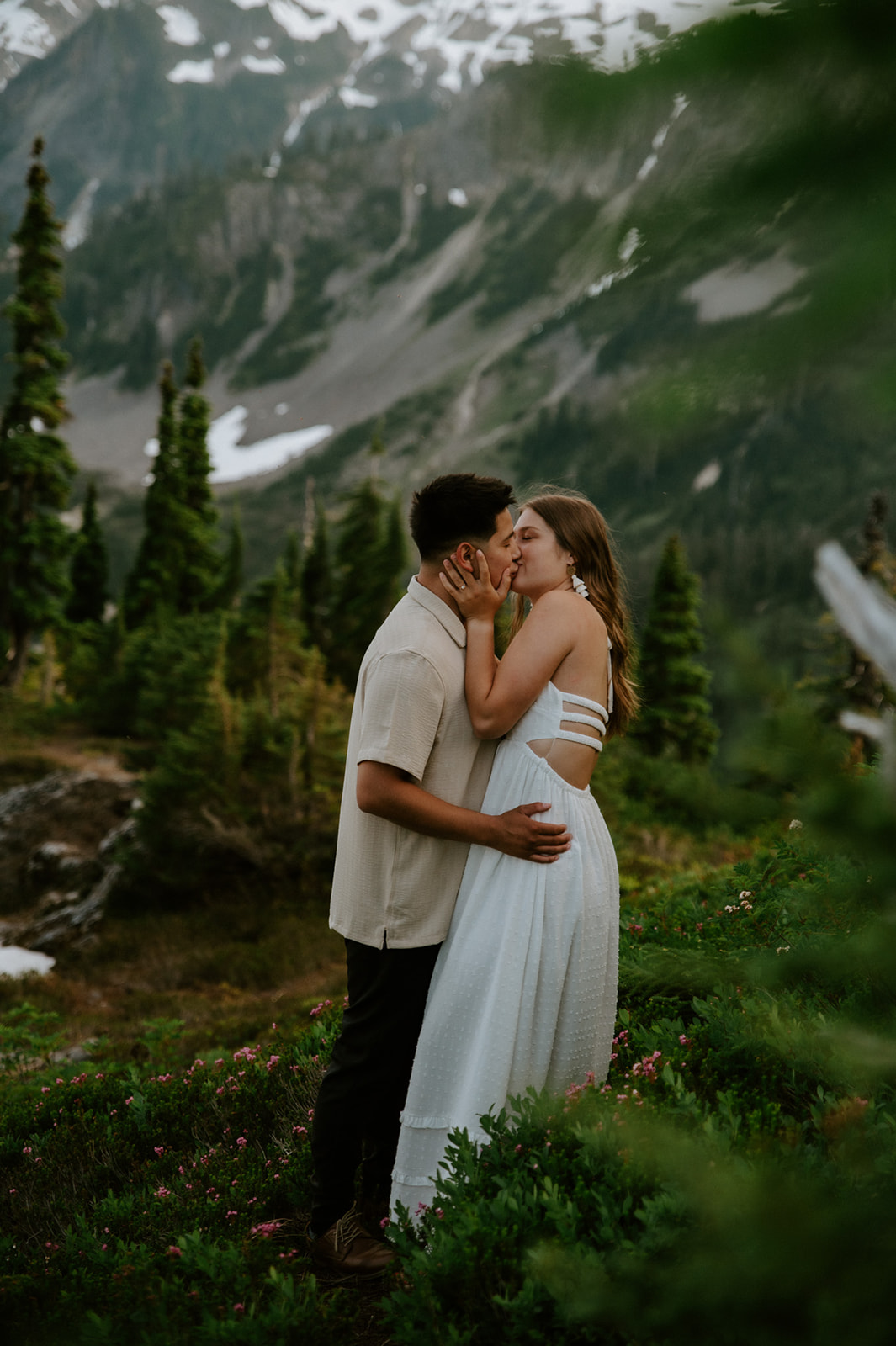
From a photo standpoint, movement is everything. Walking creates flow. It gives you those in-between moments, the glances, the laughter, the quiet pauses, that never happen when you’re standing stiff in one spot, wondering what to do with your hands. Those are the photos people end up loving the most.
Staying on trail isn’t about doing less or playing it safe. It’s about letting the day unfold naturally, without second-guessing yourselves. You still get the adventure and the wild feeling. You just get to enjoy it without that low-key stress humming in the background.
How to Elope in Washington Without Harming the Places You Love
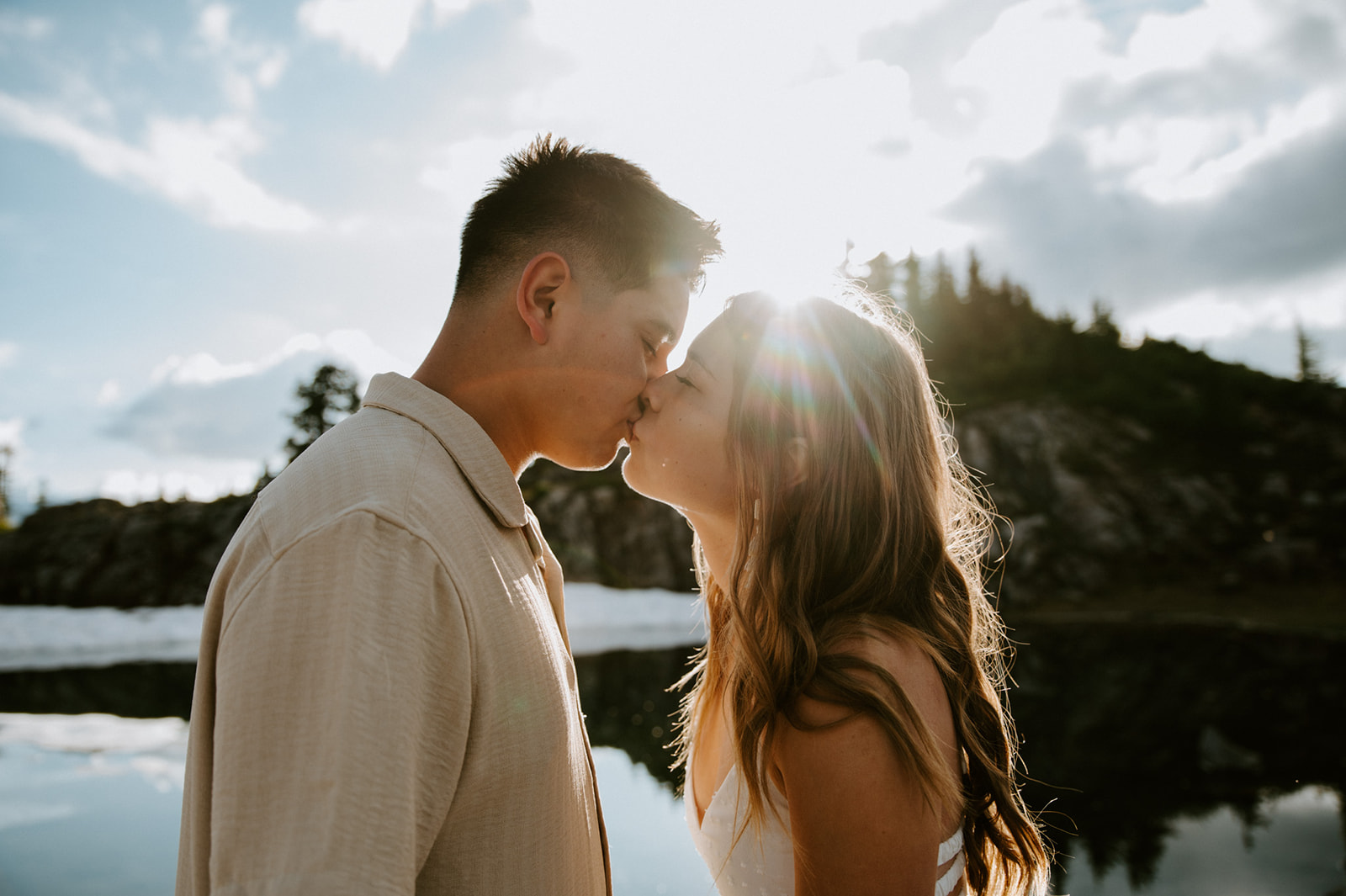
If Leave No Trace feels abstract or intimidating, this is where it clicks. Most of it comes down to making a few thoughtful choices that protect the land and make your day easier.
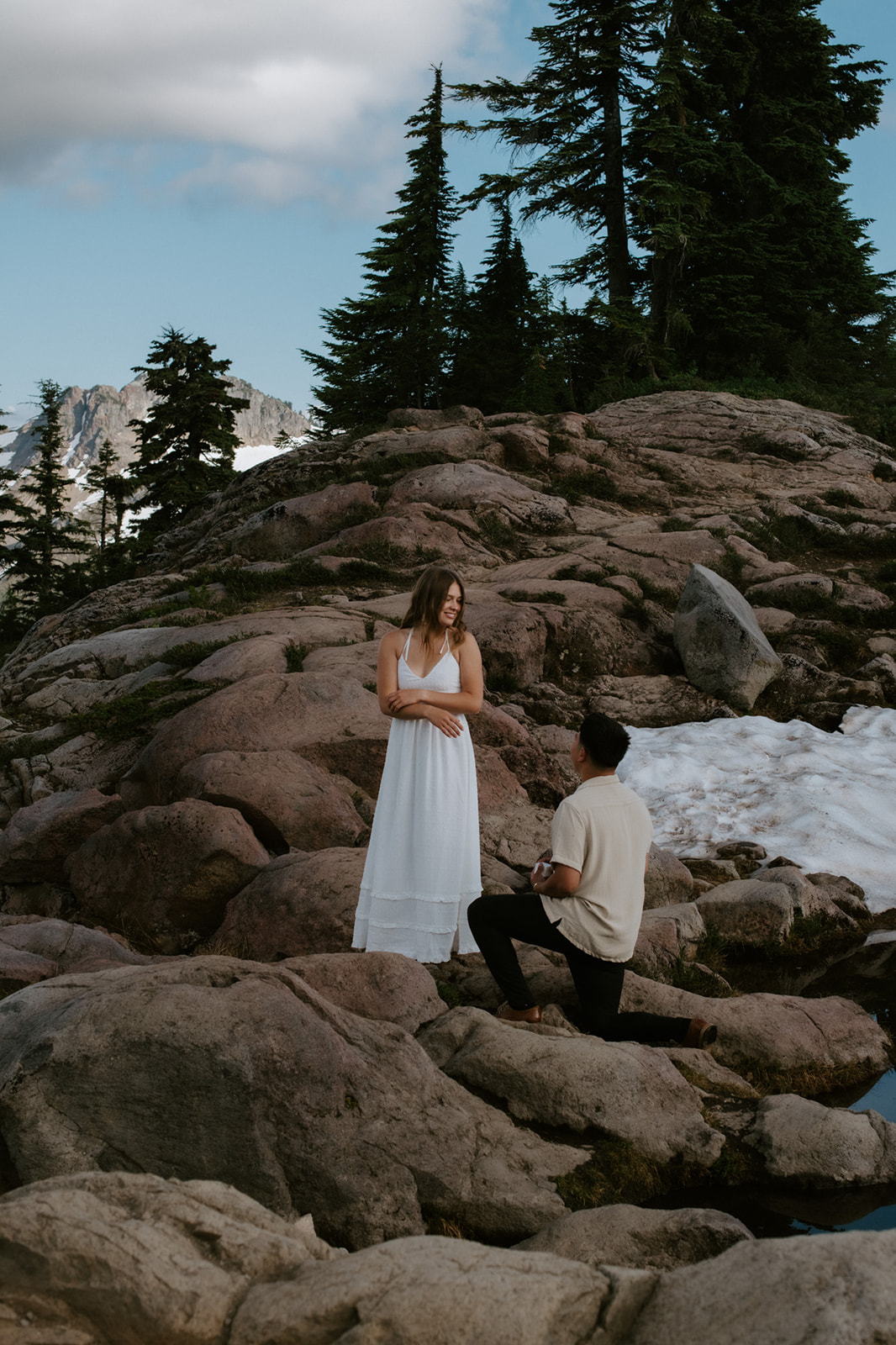
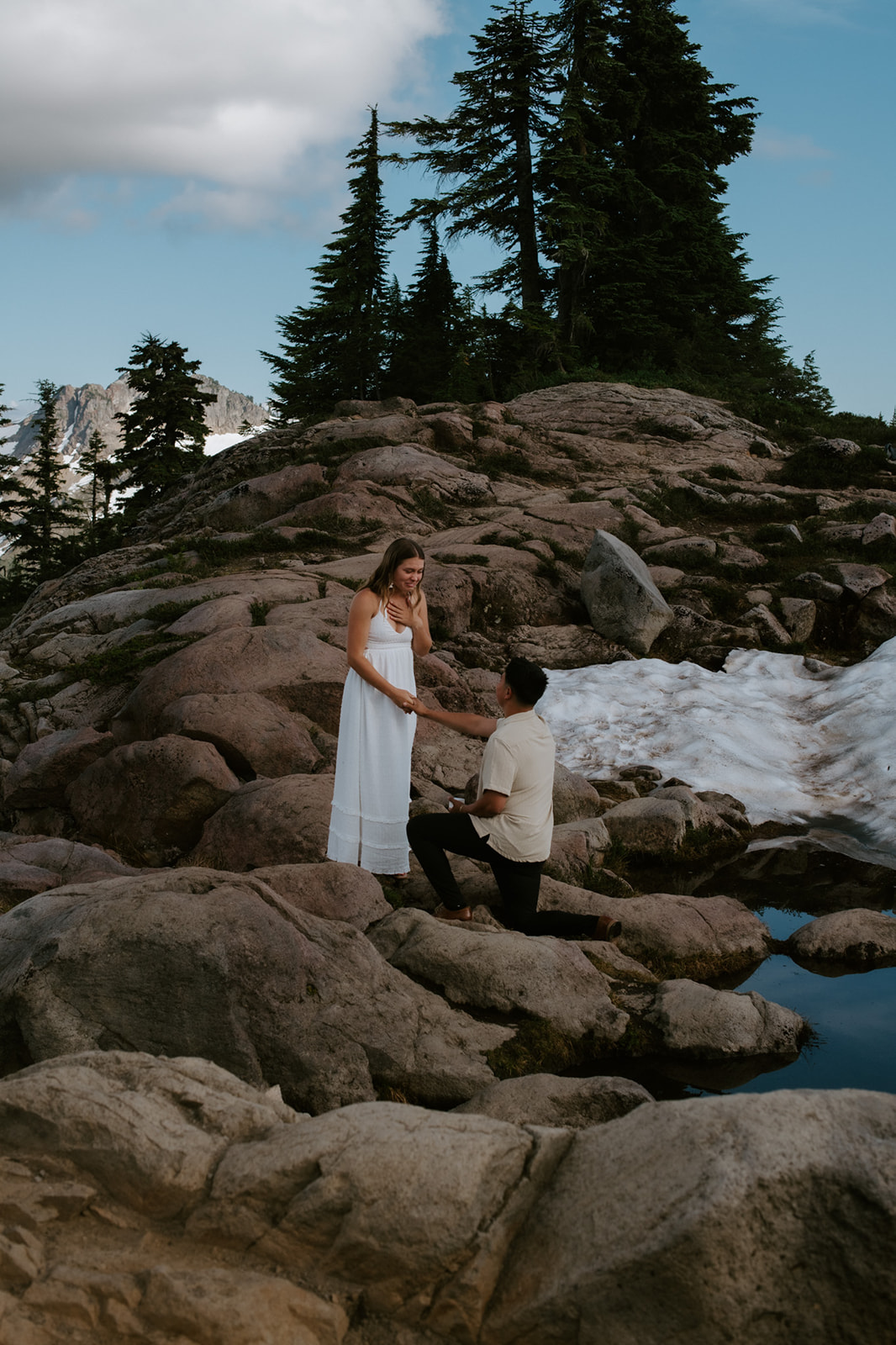
Here’s what actually matters when you elope in Washington:
Choose locations that can handle people being there – Not every beautiful place is meant for foot traffic. Durable surfaces, established viewpoints, and well-loved trails exist for a reason. They let you experience the landscape without slowly wearing it down.
Respect seasonal closures (even when the spot looks empty) – Washington’s landscapes change dramatically throughout the year. Some areas close to protect wildlife, fragile vegetation, or unsafe conditions. These closures aren’t suggestions, and planning around them often leads to quieter, more meaningful experiences anyway.
Follow fire restrictions without exception – Fire bans are common in Washington, especially in late summer and early fall. That means no candles, no sparklers, no open flames. The good news? You don’t need them. The environment does enough on its own.
Pack out everything, yes, everything – Florals, food, tissues, ribbon, biodegradable confetti. If it came with you, it leaves with you. This one’s simple, but it matters more than people realize.
Keep decor minimal and intentional – Heavy arches, furniture, or installations often aren’t allowed, and they’re rarely necessary. When the setting is already doing the work, less really is more.
Work with vendors who know how to elope in Washington – This is a big one. Vendors who understand permits, trail rules, weather patterns, and access points help make your day feel smooth rather than stressful. As a Washington elopement photographer, my job isn’t just to document your day, it’s to help you plan one that feels aligned, respectful, and fully yours.
None of this is about doing things “by the book.” It’s about creating an elopement that feels good while it’s happening, and still feels good when you look back on it years from now.
Why Ethical Elopements Are the Future of Eloping in Washington
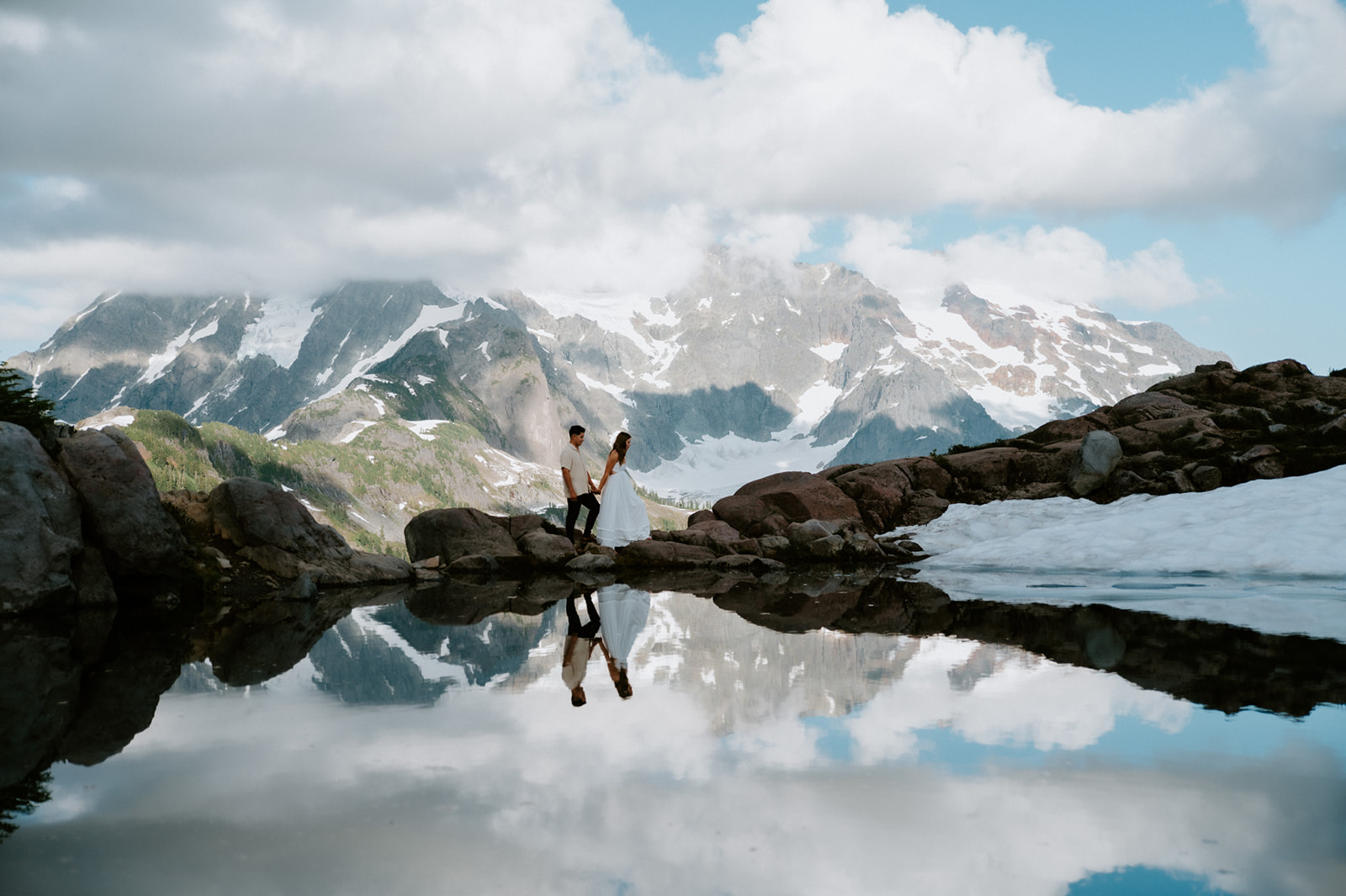
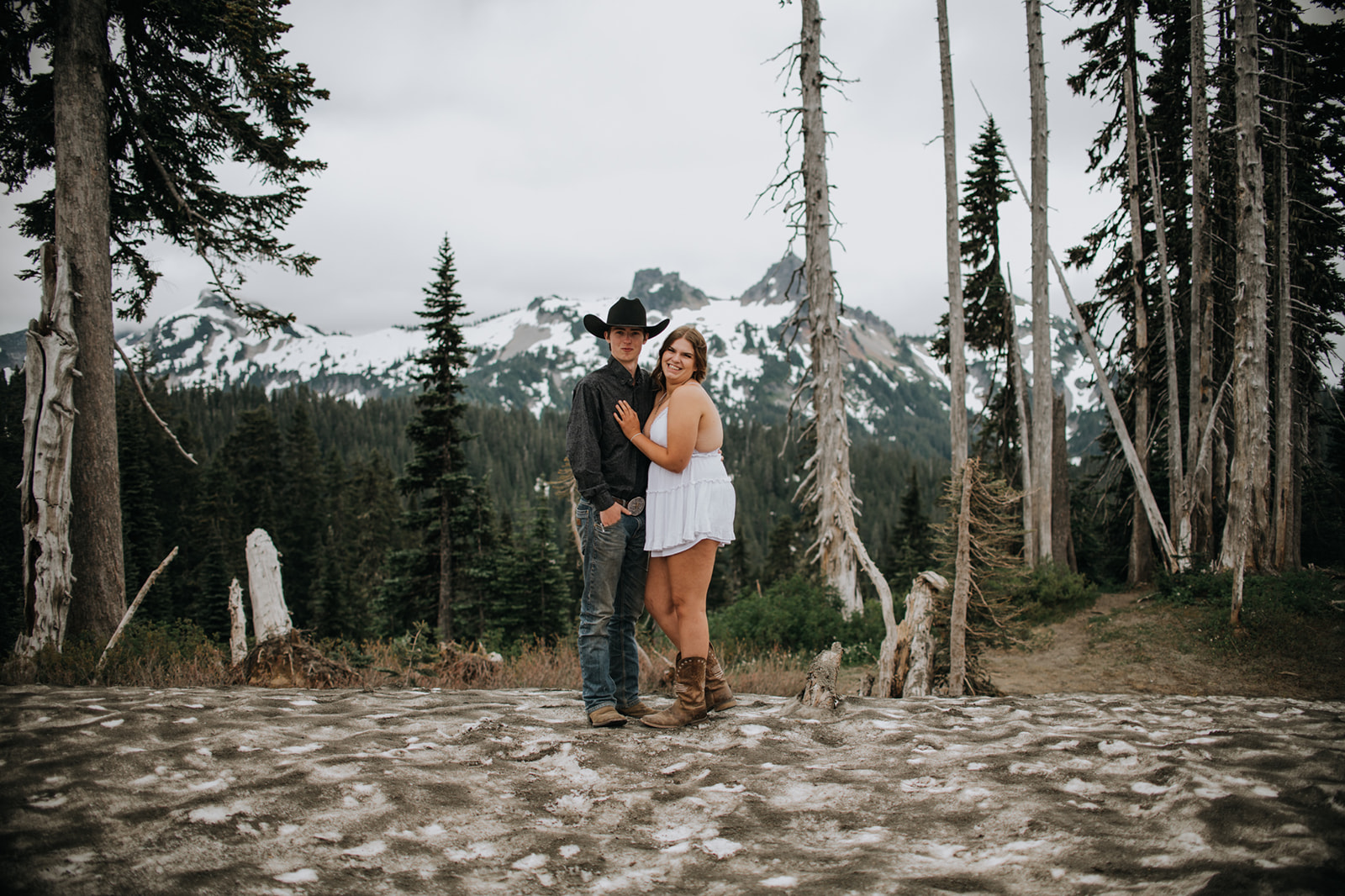
Eloping in Washington looks a little different than it did even a few years ago. More people are choosing smaller, more intentional days. More people are realizing that the places they love need care, not just admiration. And that’s not a bad thing.
Ethical elopements aren’t about rules or losing access. They’re about making sure access still exists. When couples choose to elope in Washington responsibly, getting permits, staying on trail, respecting closures, they’re helping protect these landscapes from being loved into oblivion. This is how places stay open. This is how future couples still get to stand in these same spots, feel that same quiet, and take that same deep breath before saying their vows.
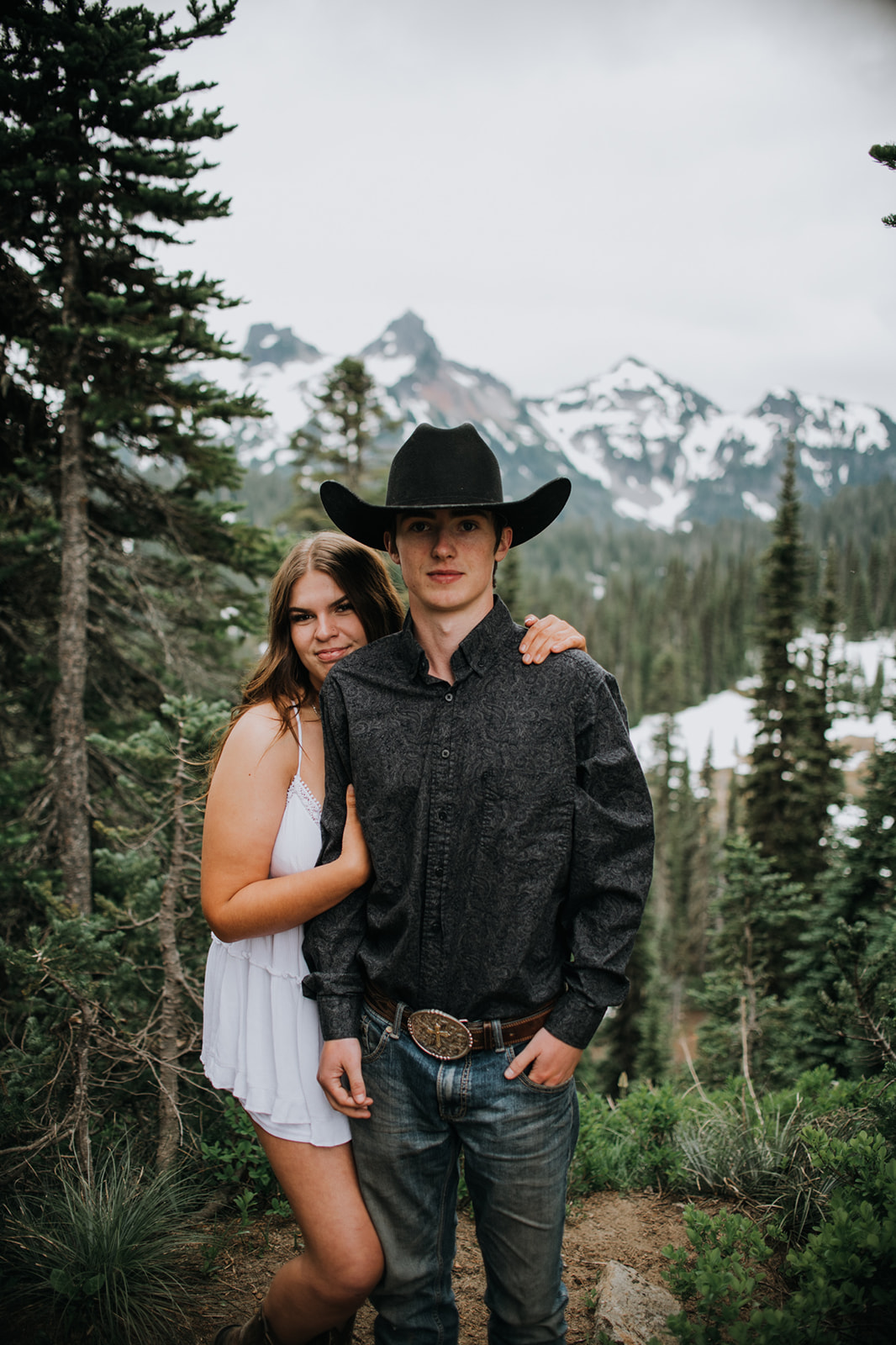
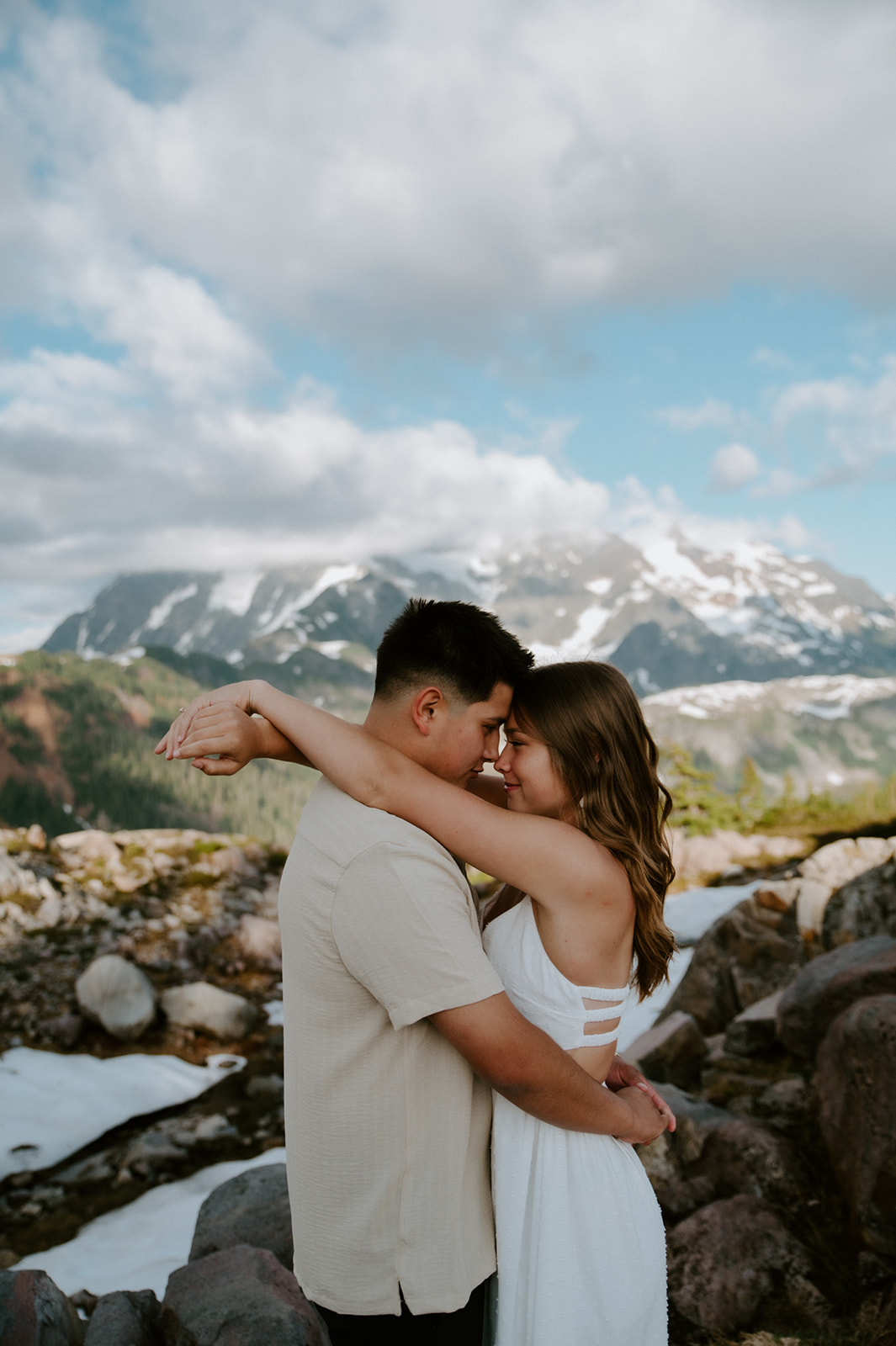
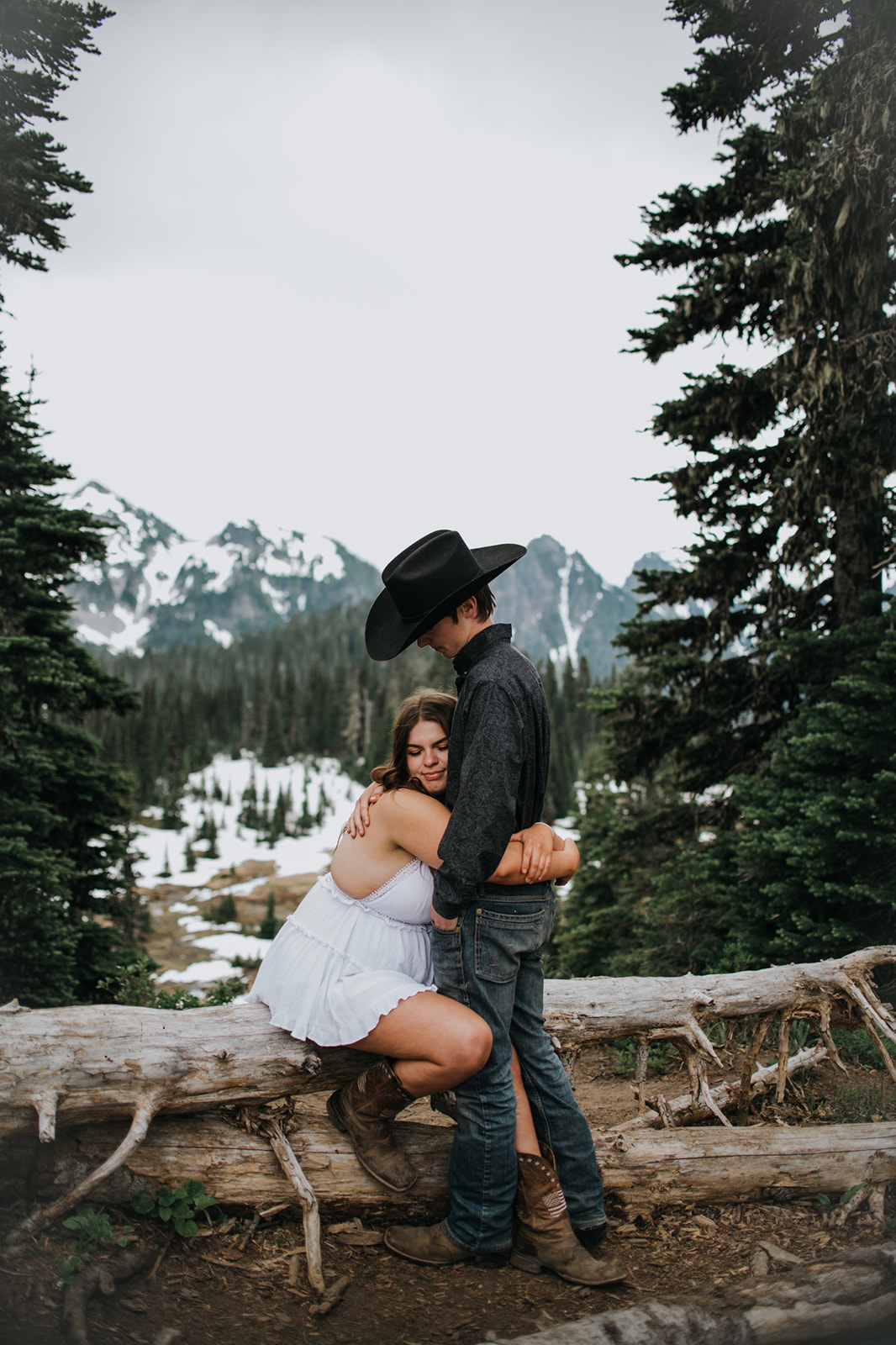
What I’ve seen over and over is that couples who plan with care end up having better days. Less stress and more about being in the moment. More space to actually experience what’s happening instead of worrying about whether they’re doing something wrong. There’s a confidence that comes from knowing your elopement is aligned with your values.
As a Washington elopement photographer, this is the kind of day I’m proud to help people create. Not because it’s “perfect,” but because it’s intentional. Because it protects the places that made your elopement possible in the first place.
Choosing to elope in Washington this way isn’t about doing less. It’s about doing it with care, and that makes all the difference.
FAQ: Eloping in Washington the Leave No Trace Way
Do we actually need a permit to elope in Washington?
Short answer: usually, yes.
If you’re planning to elope in Washington on public land, especially in National Parks, State Parks, or certain Forest Service areas, a permit is often required. Not because anyone’s trying to make things complicated, but because permits help protect the land and keep elopements from turning into a free-for-all.
The exact rules depend on where you’re going, which is why checking early (or having a Washington elopement photographer who already knows the system) makes everything feel a lot easier.
Can we elope in a National Park in Washington?
You can!! And it can be incredible, but there are some boundaries. National Parks require special-use permits and usually limit where ceremonies can take place, how many people can attend, and sometimes even the time of day.
It’s not about killing the vibe. It’s about protecting places that already see a lot of love.
Can we elope literally anywhere in Washington?
I wish the answer were yes… but it’s not.
Washington has a ton of public land, but that doesn’t mean every overlook, meadow, or beach allows ceremonies. Some places require permits, some have seasonal closures, and some don’t allow weddings at all. If you’re not sure whether a location is allowed, that’s your sign to pause and double-check before building your day around it.
What does Leave No Trace actually mean for an elopement?
In real-life terms? It means planning your day so the place looks exactly the same when you leave as it did when you arrived.
That usually looks like staying on trail, packing out everything you bring, keeping décor minimal, and following any permit guidelines. It’s less about memorizing rules and more about making thoughtful choices that protect the landscape you fell in love with.
Can we bring guests and still follow Leave No Trace?
Absolutely. You just need to be intentional.
Guest count matters, especially in fragile areas, and some permits cap how many people can attend. Smaller groups are easier on the environment, and honestly, they often lead to a calmer, more connected experience anyway.
What happens if we ignore Leave No Trace rules?
Best case? You get asked to move or leave. Worst case? Fines, revoked permits, or closures that affect future couples.
The bigger issue is that repeated damage leads to tighter restrictions or permanent closures. Following Leave No Trace is one of the easiest ways to keep these places accessible.
Why does working with a Washington elopement photographer matter here?
Because this stuff isn’t obvious until you’ve done it a few times. A Washington elopement photographer who understands permits, trail systems, weather patterns, and Leave No Trace principles can help you plan a day that feels adventurous without crossing lines you didn’t even know were there.
Less stress and fewer surprises with more room to actually enjoy your elopement! It’s a win,win!
Book Me As Your Washington Elopement Photographer
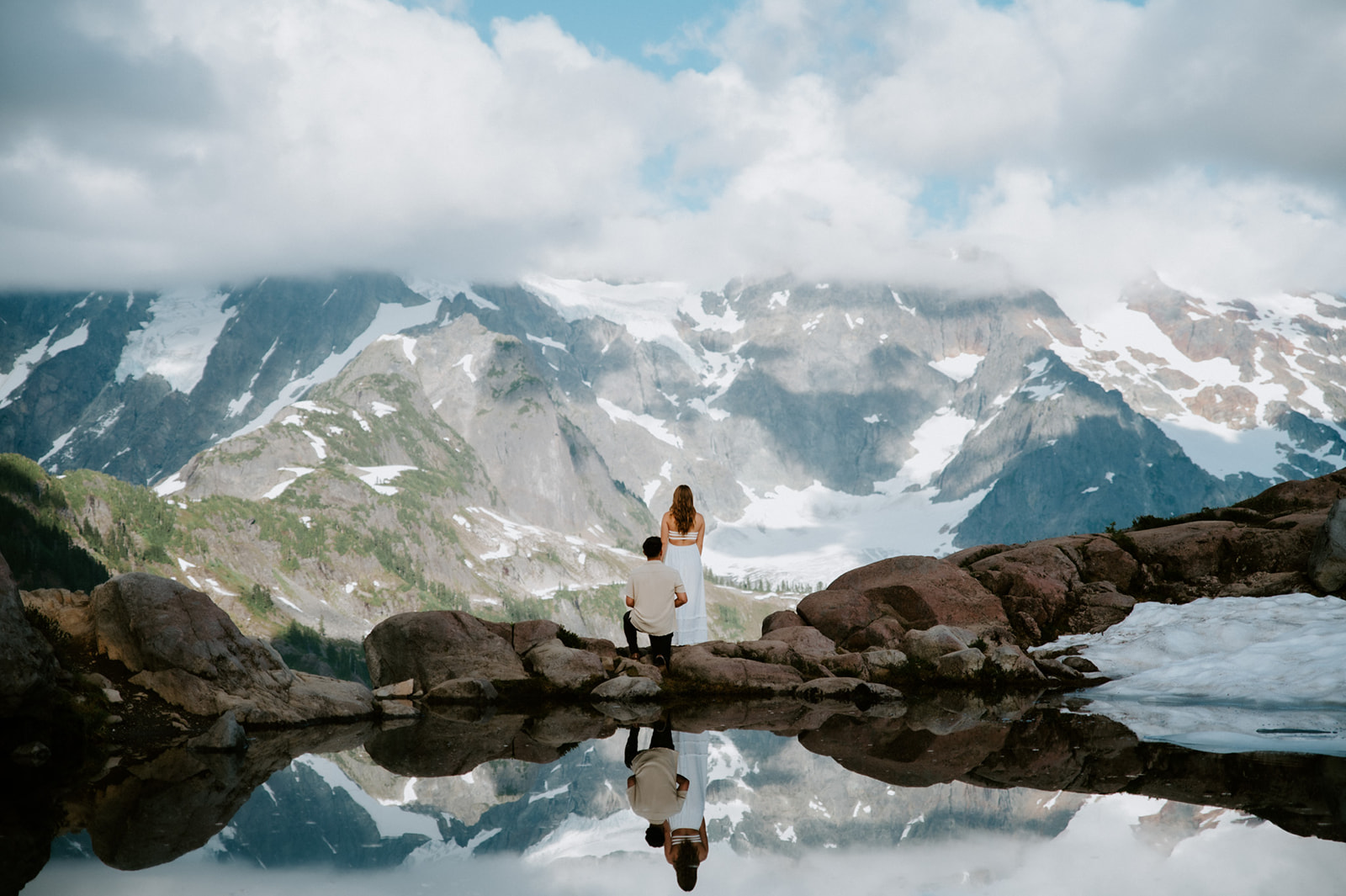
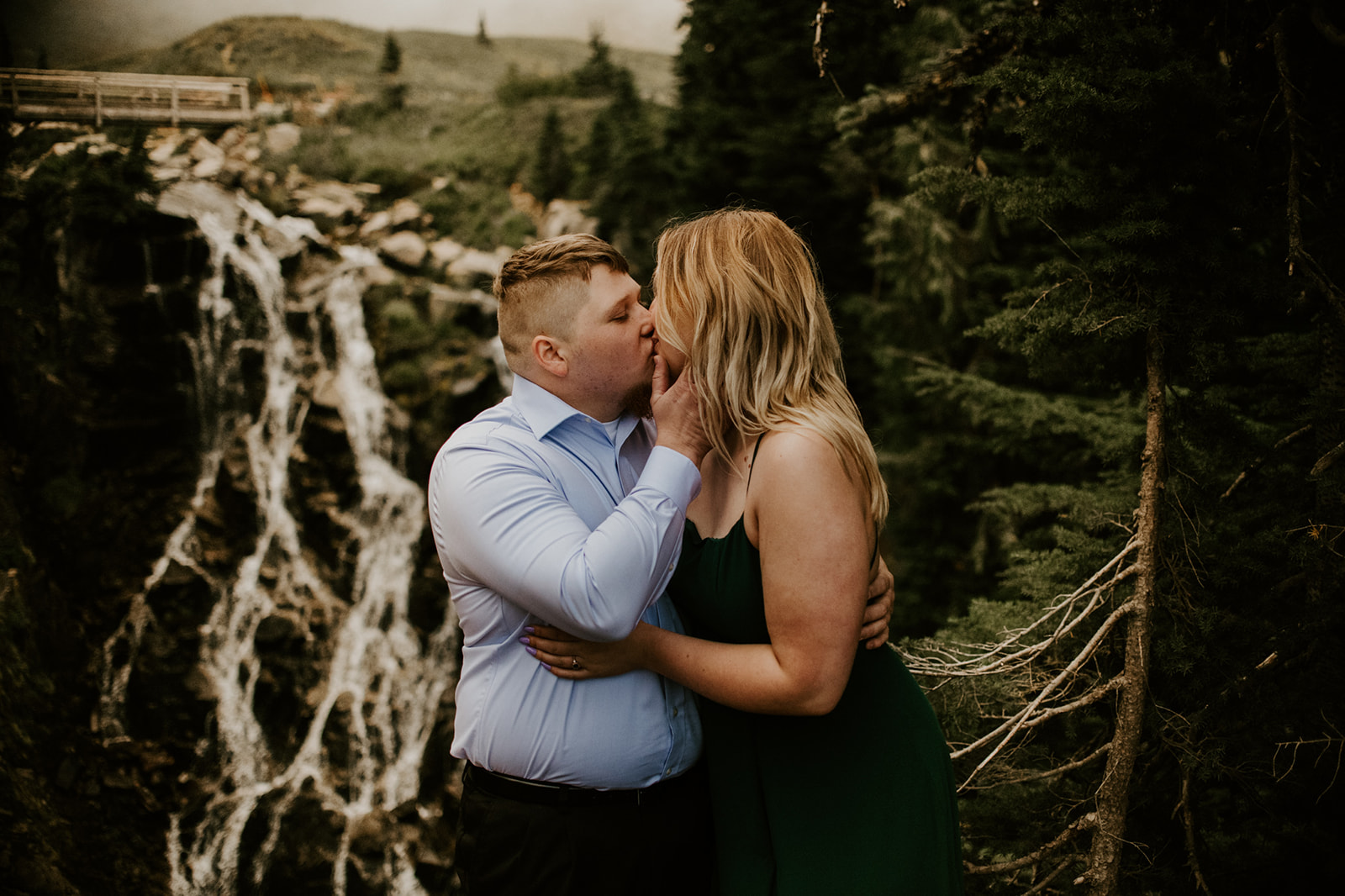
Eloping in Washington isn’t about chasing the most dramatic view or ticking off some bucket-list location. It’s about the way the air feels when you take a deep breath. The way the quiet settles in and everything slows down just enough for the day to actually sink in.
Planning your elopement with care, getting permits, staying on trail, and respecting the places you’re standing in, doesn’t take away from that experience. It protects it. It means you’re not worried about whether you’re allowed to be somewhere or if you’re accidentally doing something wrong. You get to relax and wander. While laughing with the love of your life and being fully there.
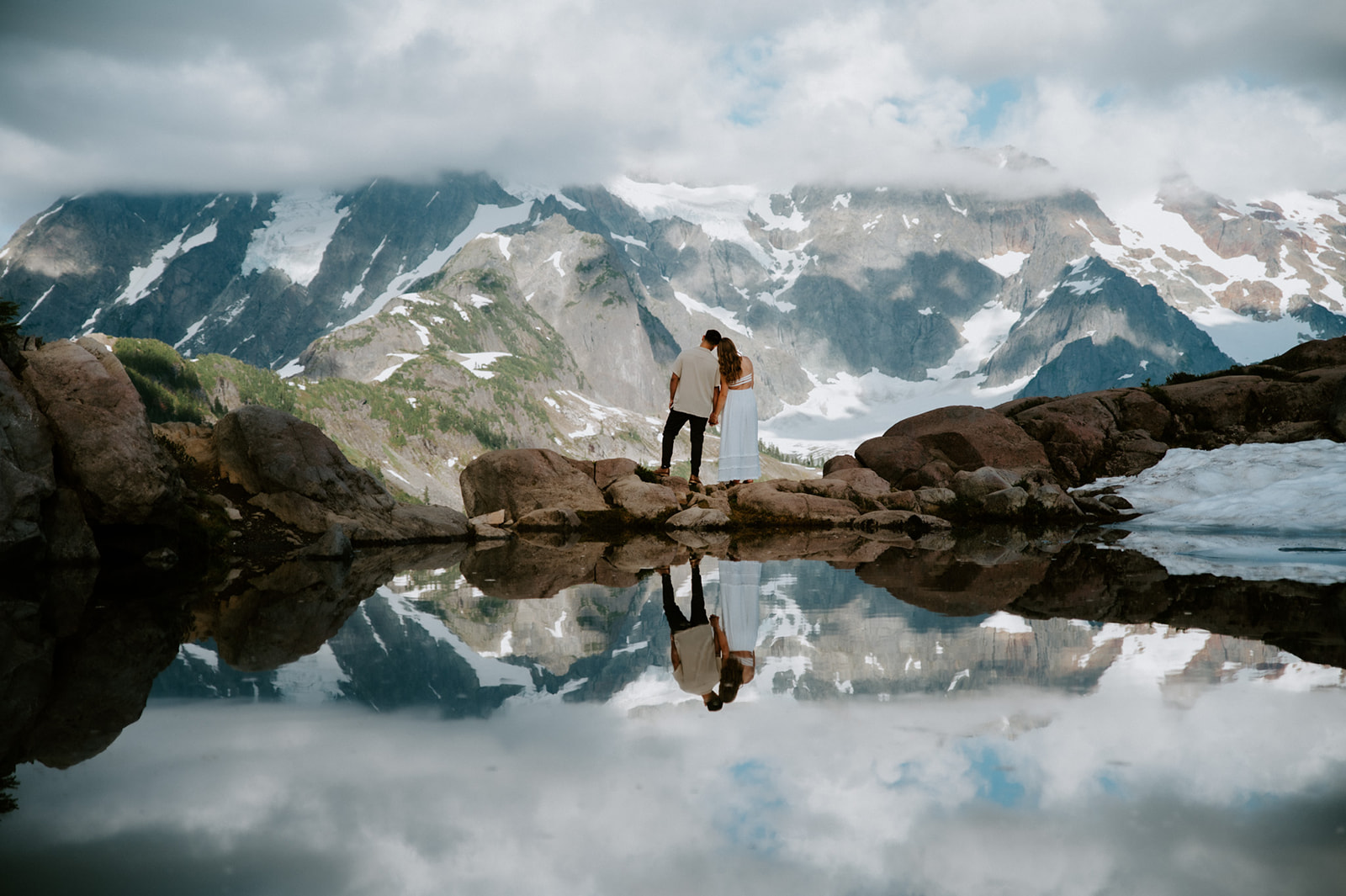
You don’t have to choose between having an adventurous, wildly meaningful day and doing right by the land. You can have both; you can elope in Washington in a way that feels fun, intentional, and deeply aligned with why you chose this place in the first place.
And if you want someone in your corner who will hype your ideas, keep things grounded, and help you pull it all off without stress (or side-eye from a park ranger), I’m your gal! Send me a message and let’s do this thing!
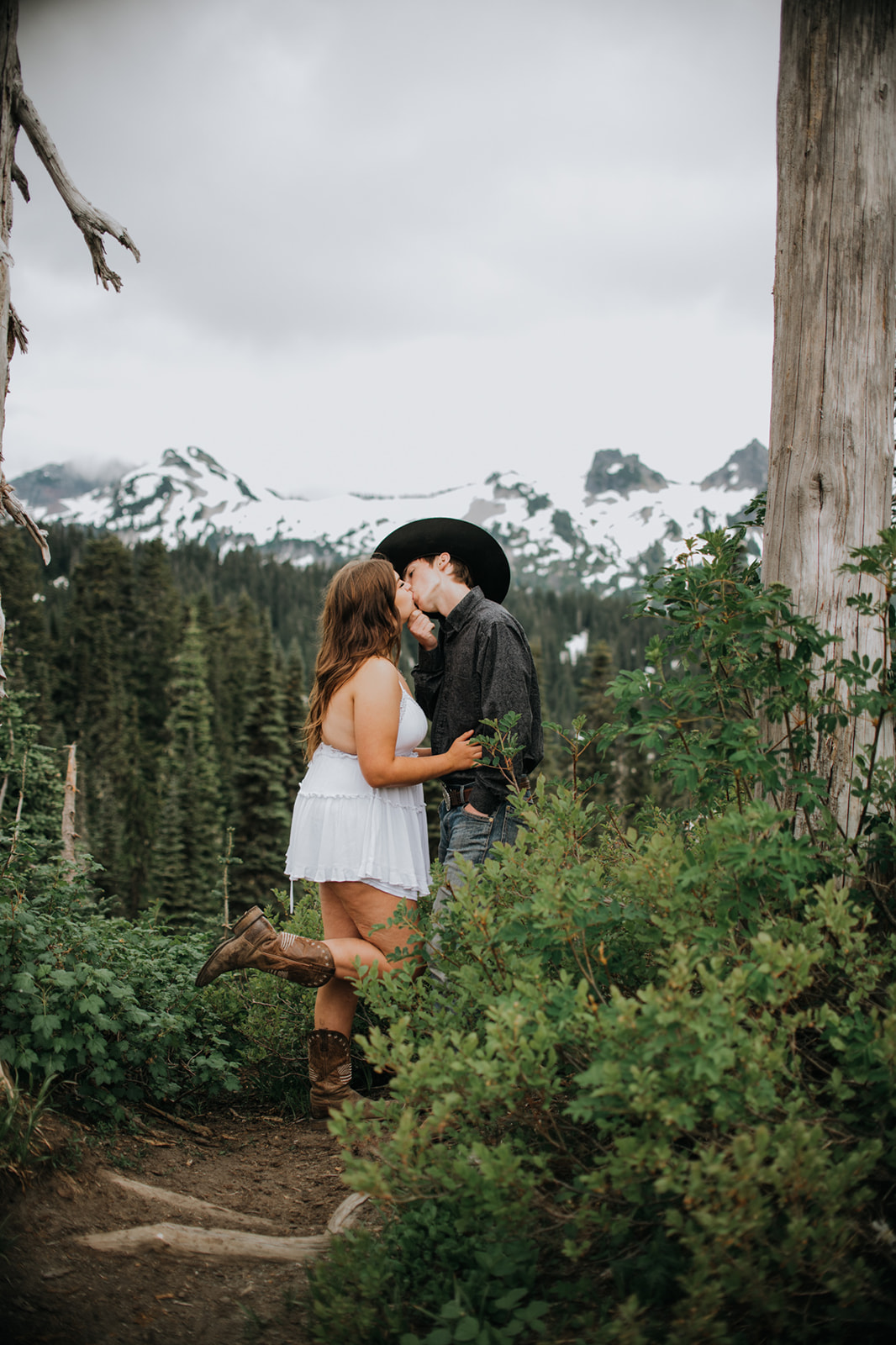
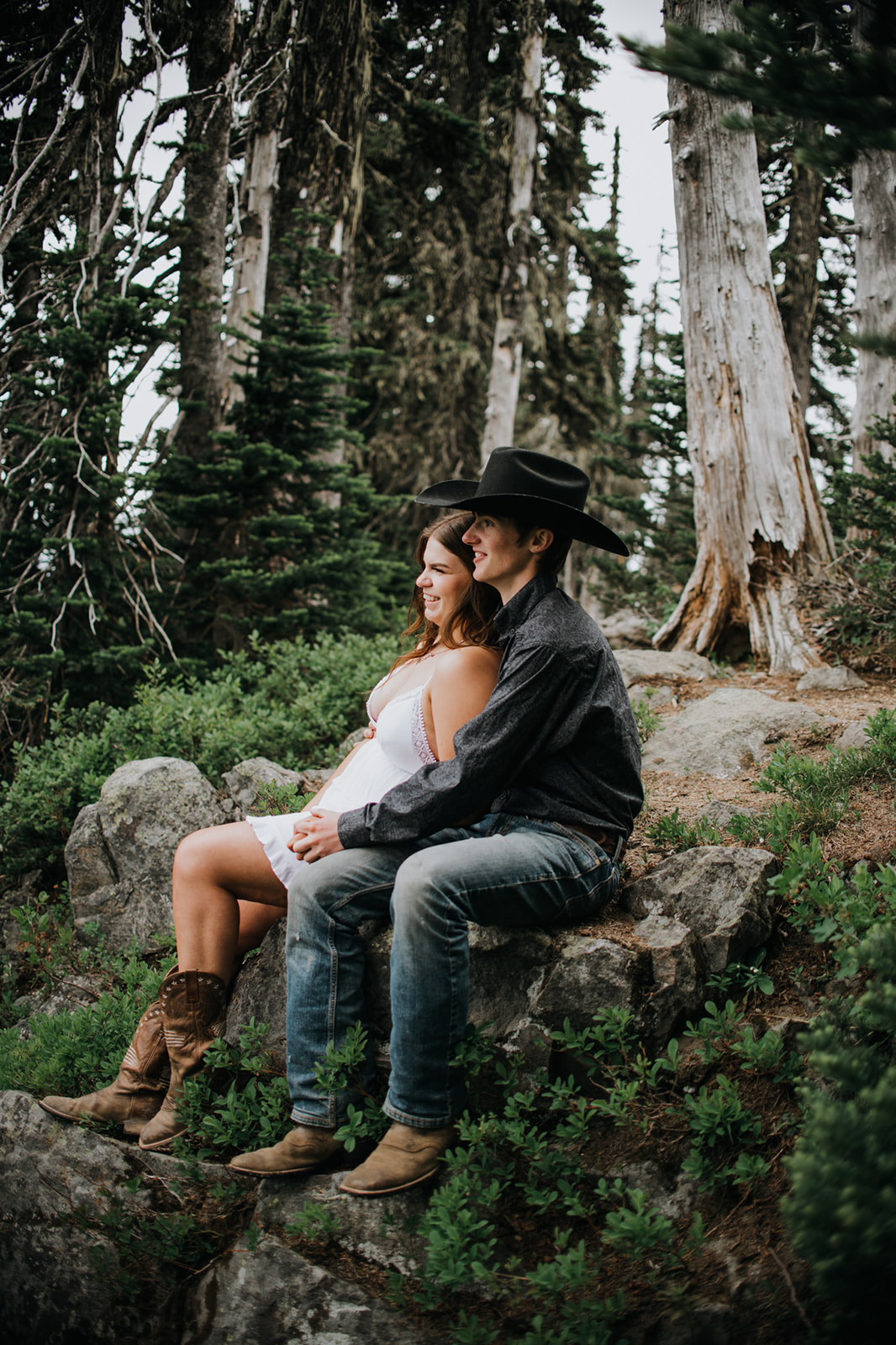
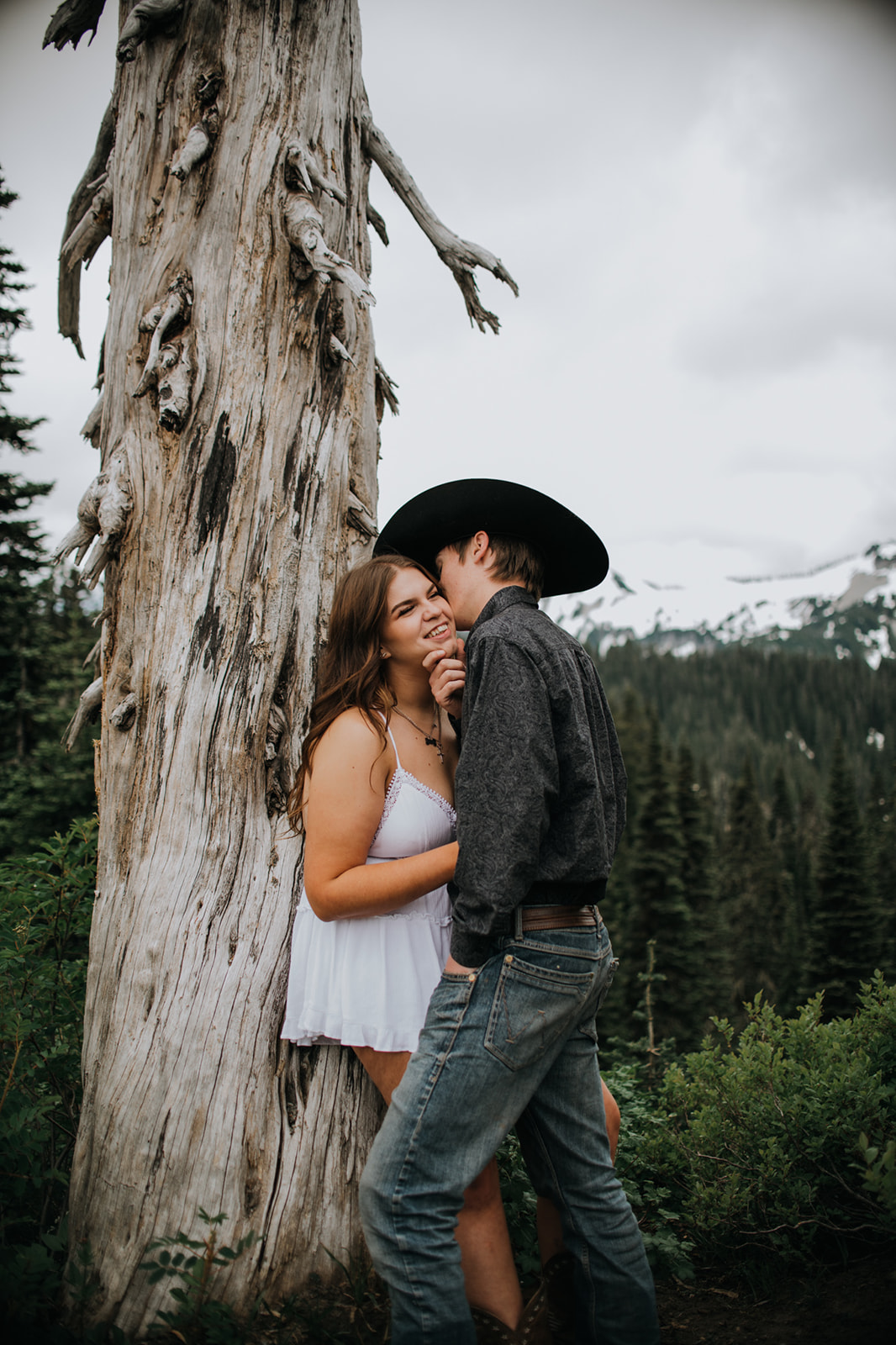
Looking for more elopement planning tips and inspo? Keep scrolling!
How to Plan an Elopement with Family, Featuring a Real California Elopement
How to Elope in Bad Weather: A Rocky Mountain National Park Elopement Guide
Tips for Writing Emotional Vows for Your Wedding or Elopement









Comments Off on